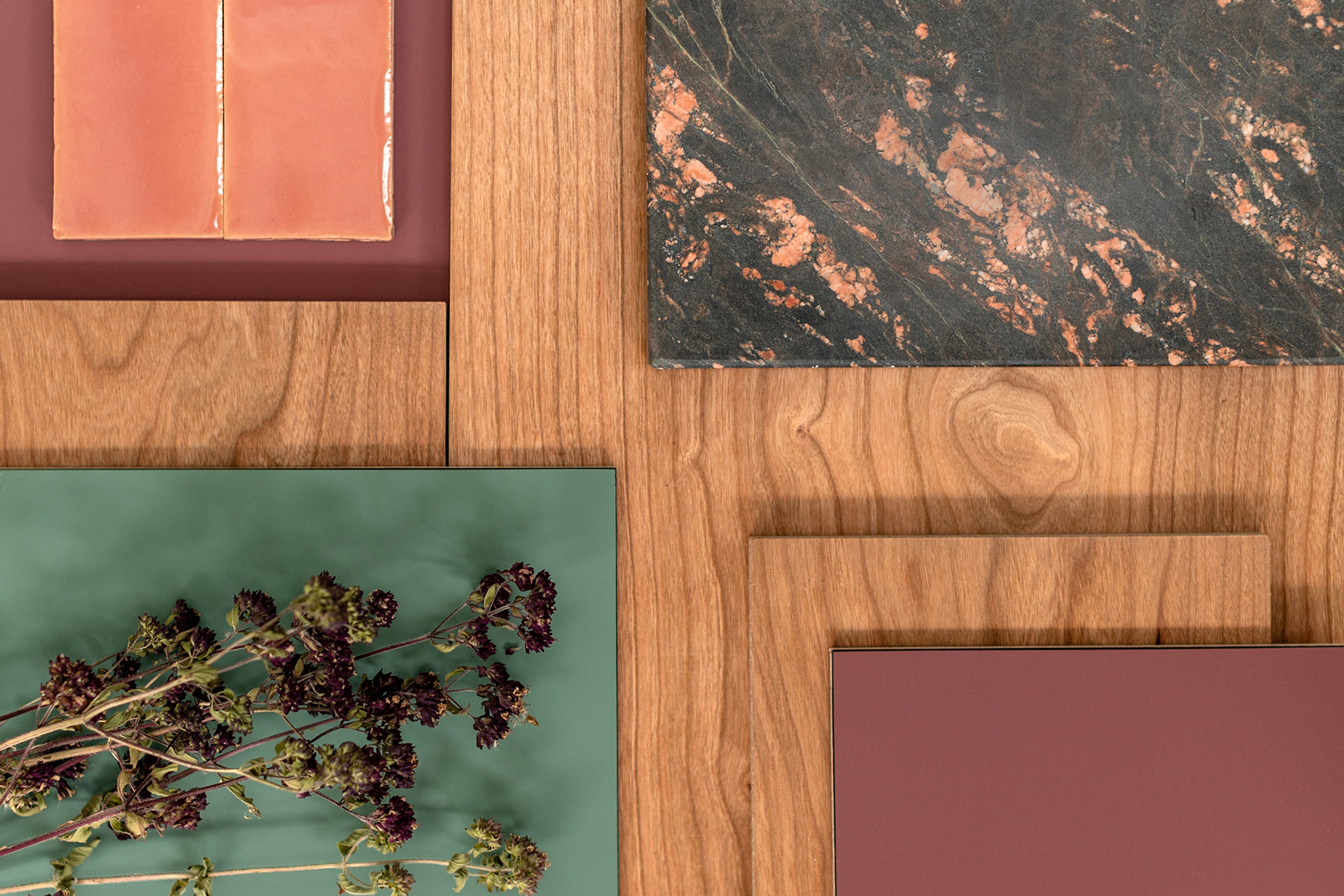
Eco Colours
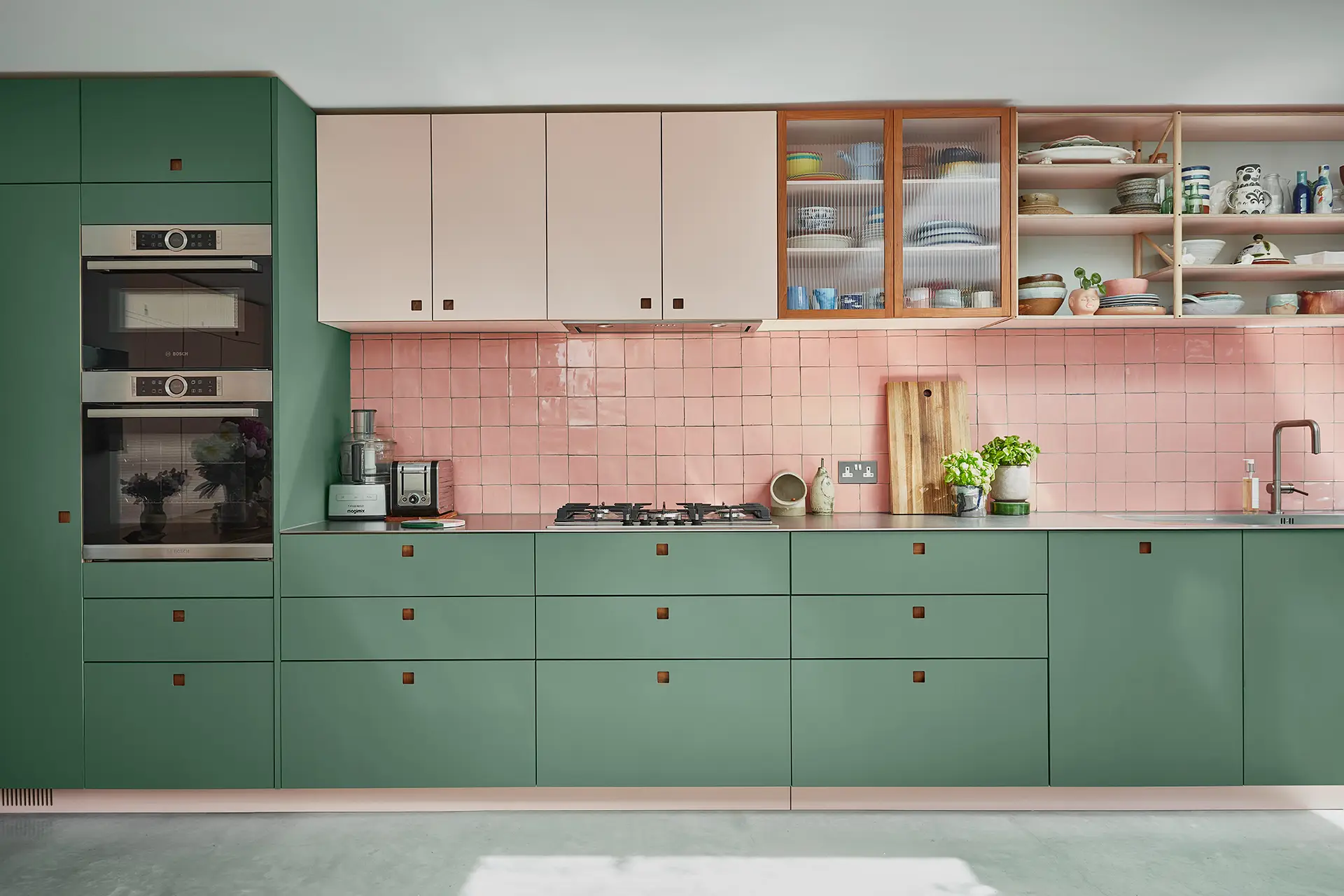
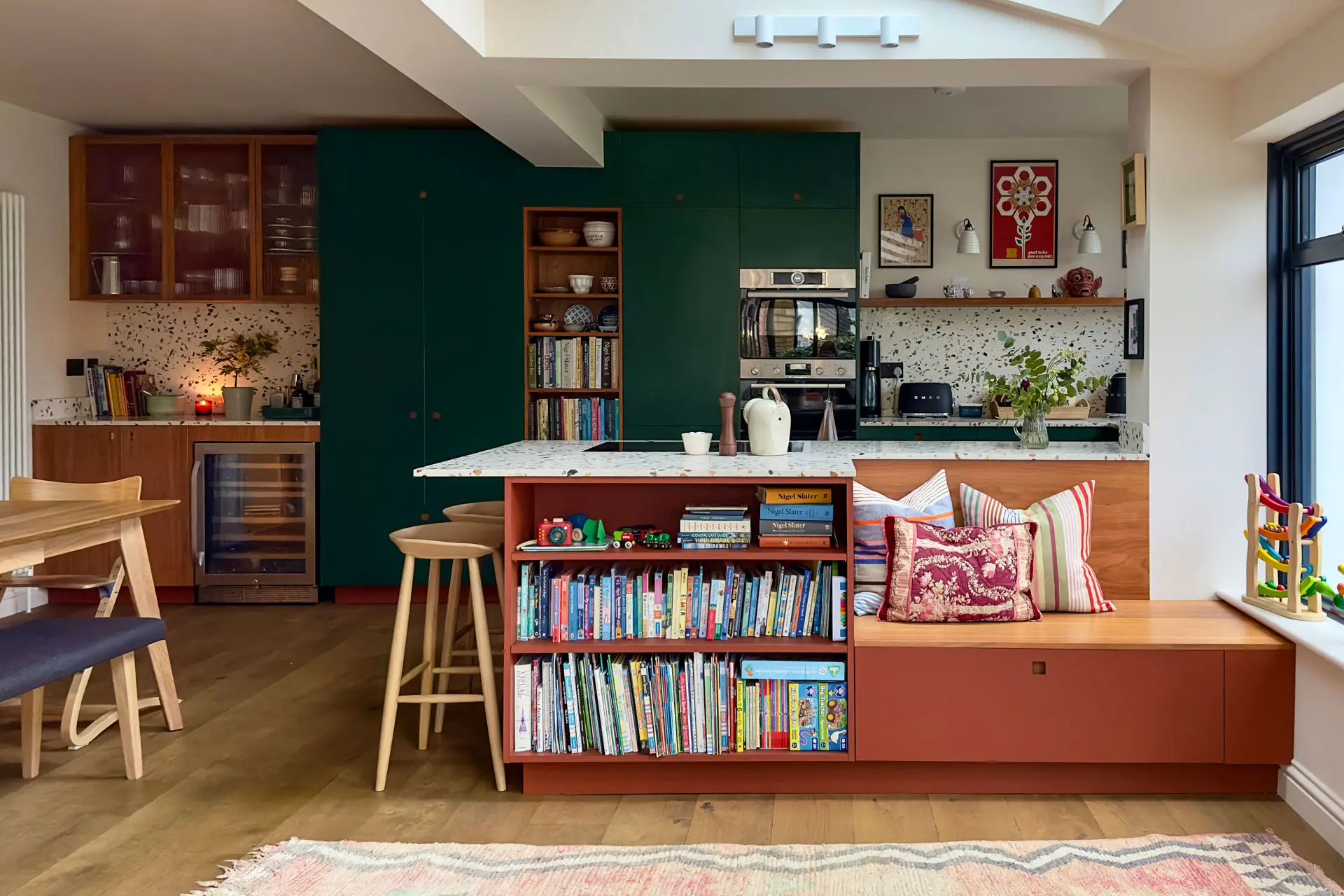
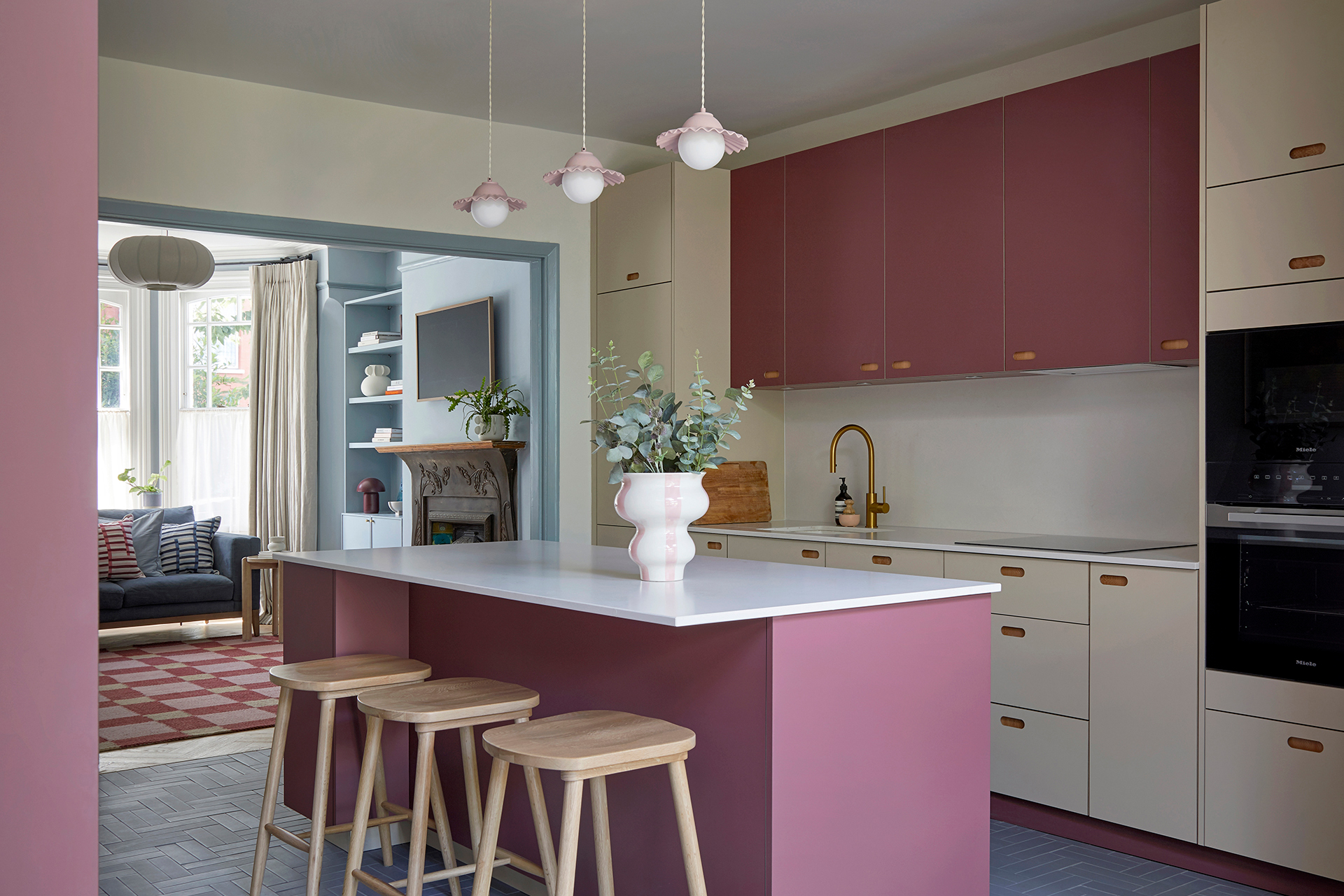
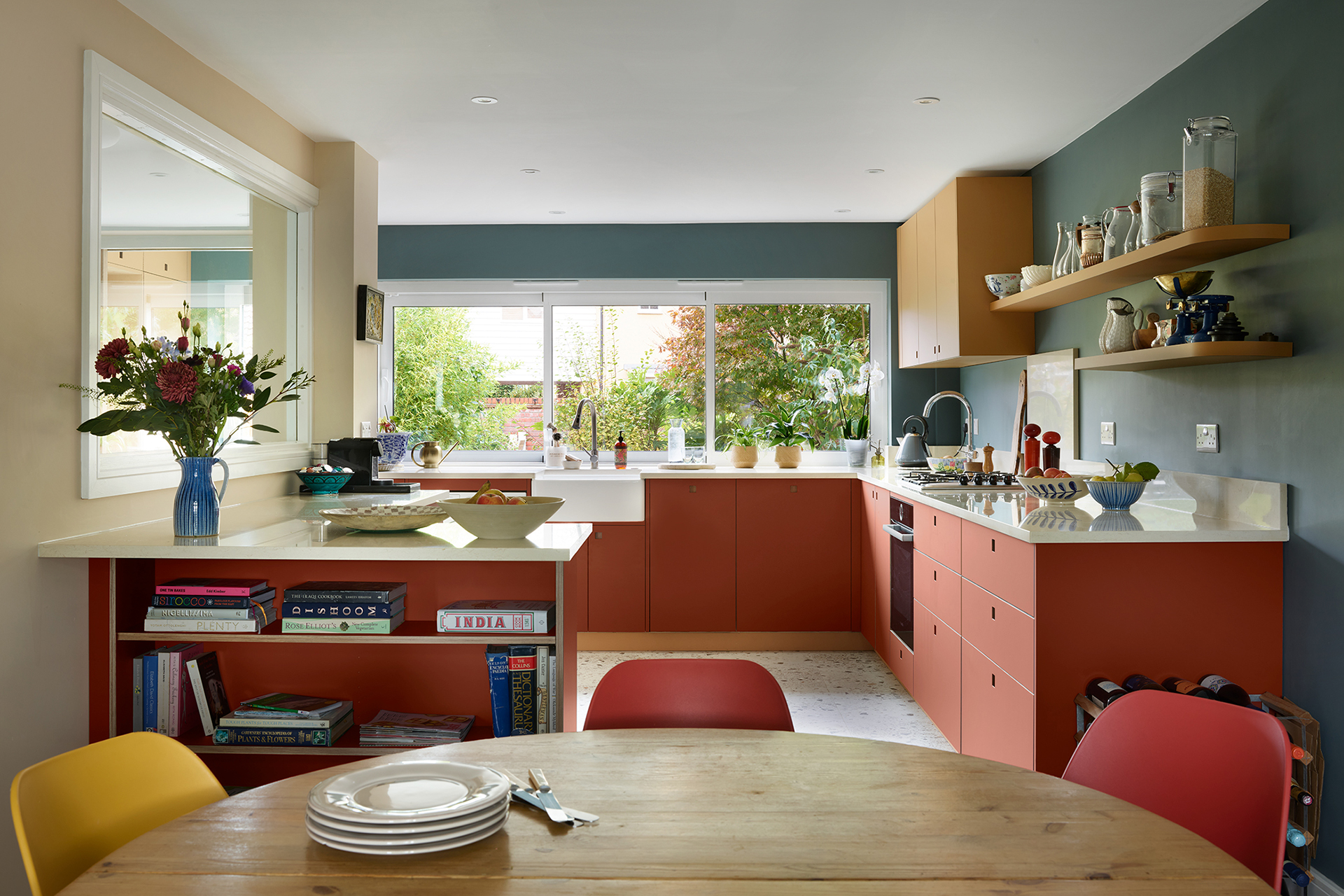
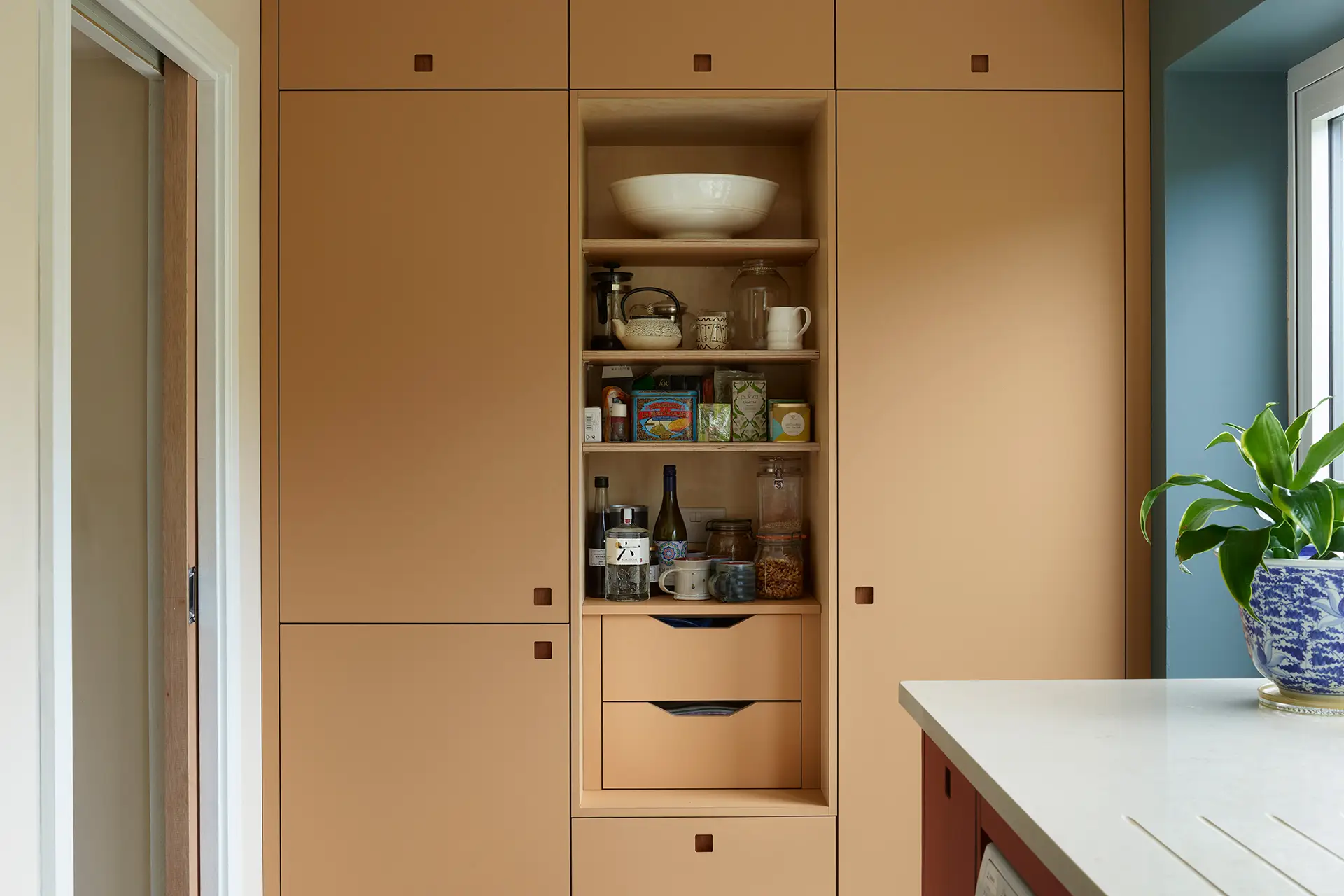
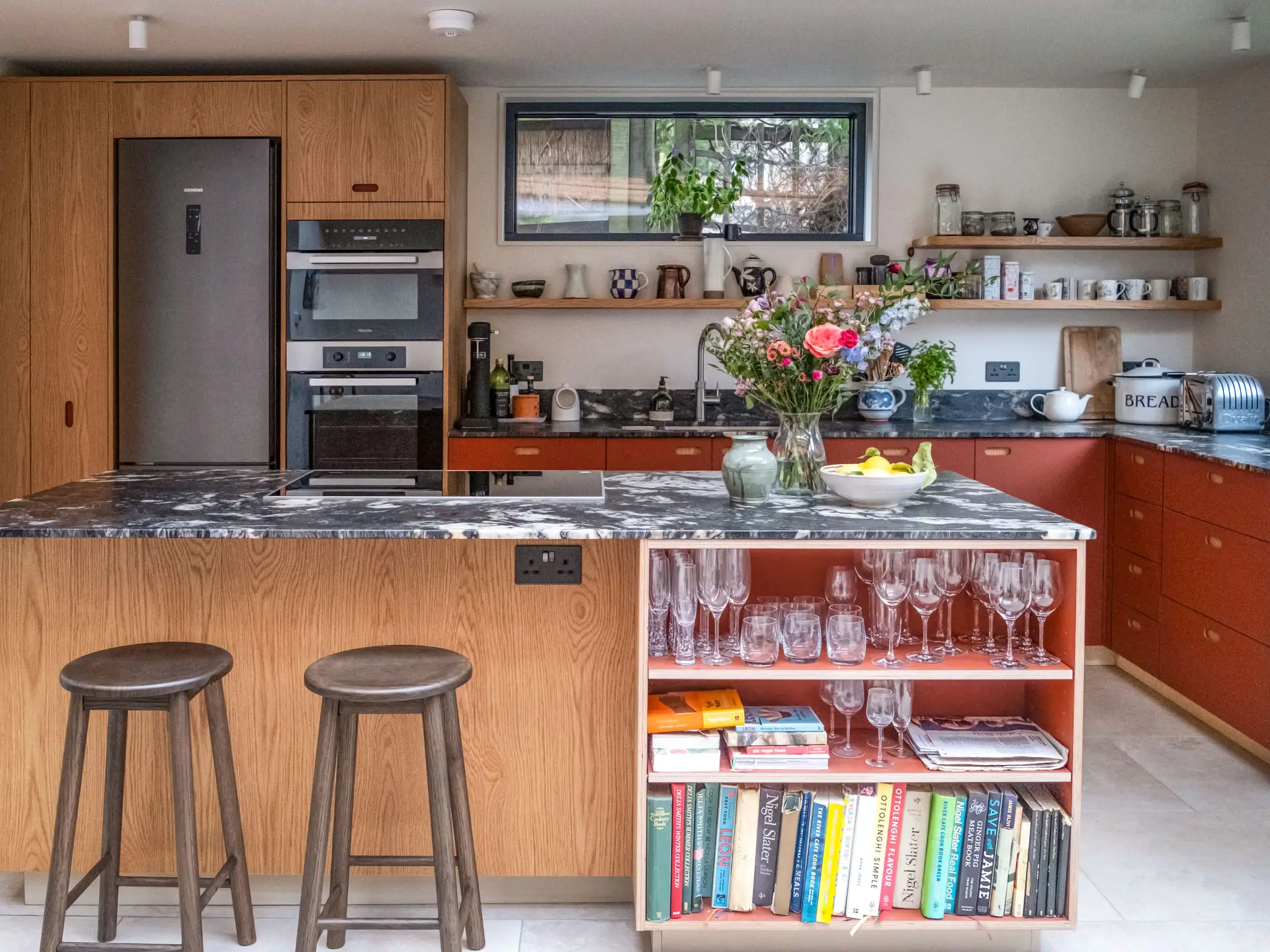
Our collection of eight sustainable, carbon neutral hues. These matt colours are tactile, words like silken, strokable and soft come to mind, which seems to defy the fact that these are hard, durable surfaces that also have clever anti-fingerprint technology. We have curated a spectrum of colours that work beautifully with each other and the woods we offer. They can also be combined with the colours from the Core collection.

Terracotta

Ochre

Raspberry

Linen

Slate Grey

Verdigris

Midnight Blue

Aubergine
How are they carbon neutral you might ask?
This surface material is made of paper and thermosetting resins. Scientists at Arpa Industriale spent years developing a more environmentally friendly product and a major breakthrough came when they replaced half of the petroleum derived phenol in the resin with plant based lignin. Concurrently, the FENIX factory was switched to run on 100% renewable energy.
Then a Life Cycle Assessment, analysing CO2 emissions from cradle to grave, quantified the carbon footprint of the material. Based on the total quantity of square metres sold monthly, this is then offset through a carbon capture scheme – specifically at landfills where methane gas is used to generate electricity. Thus carbon neutrality is achieved.
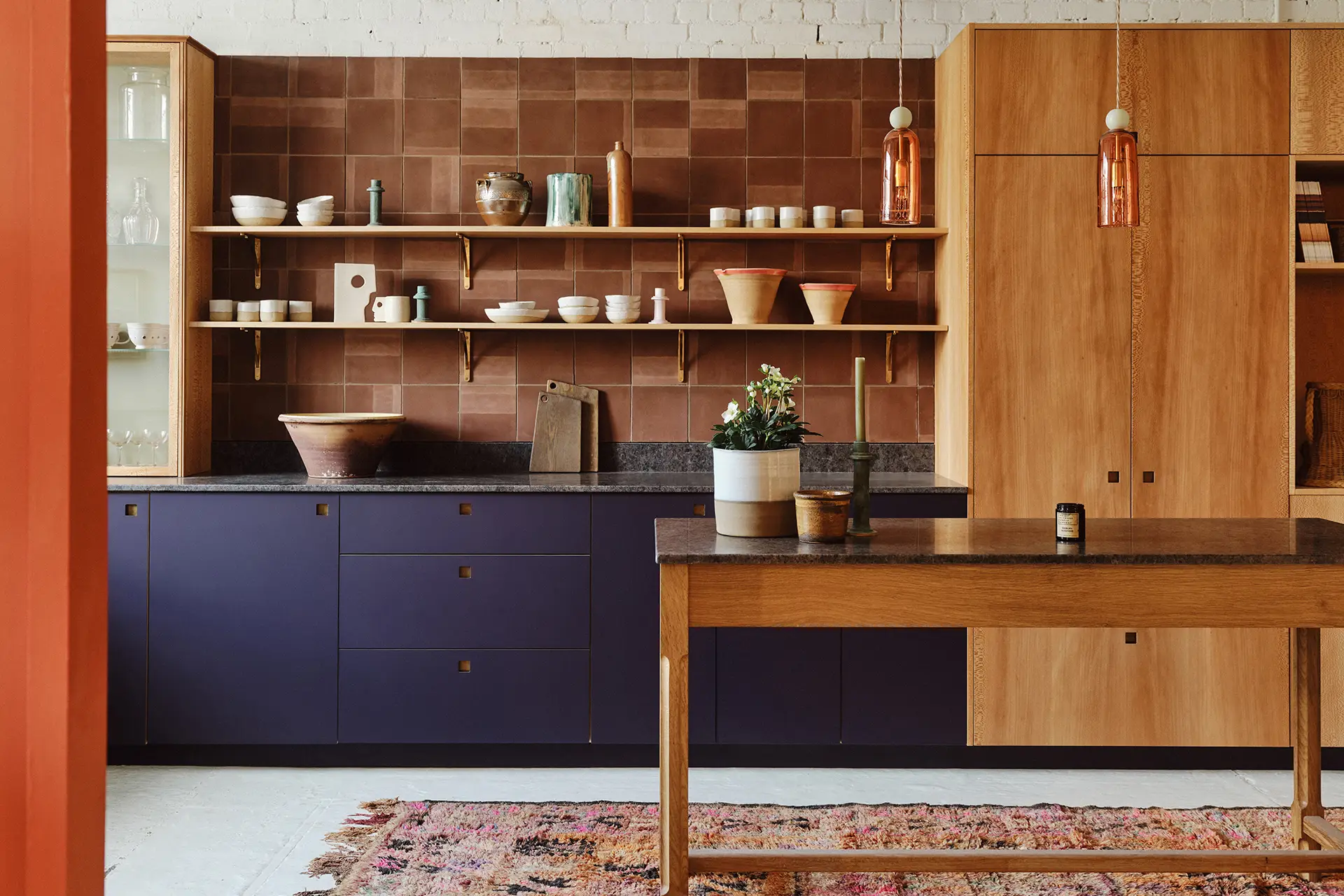
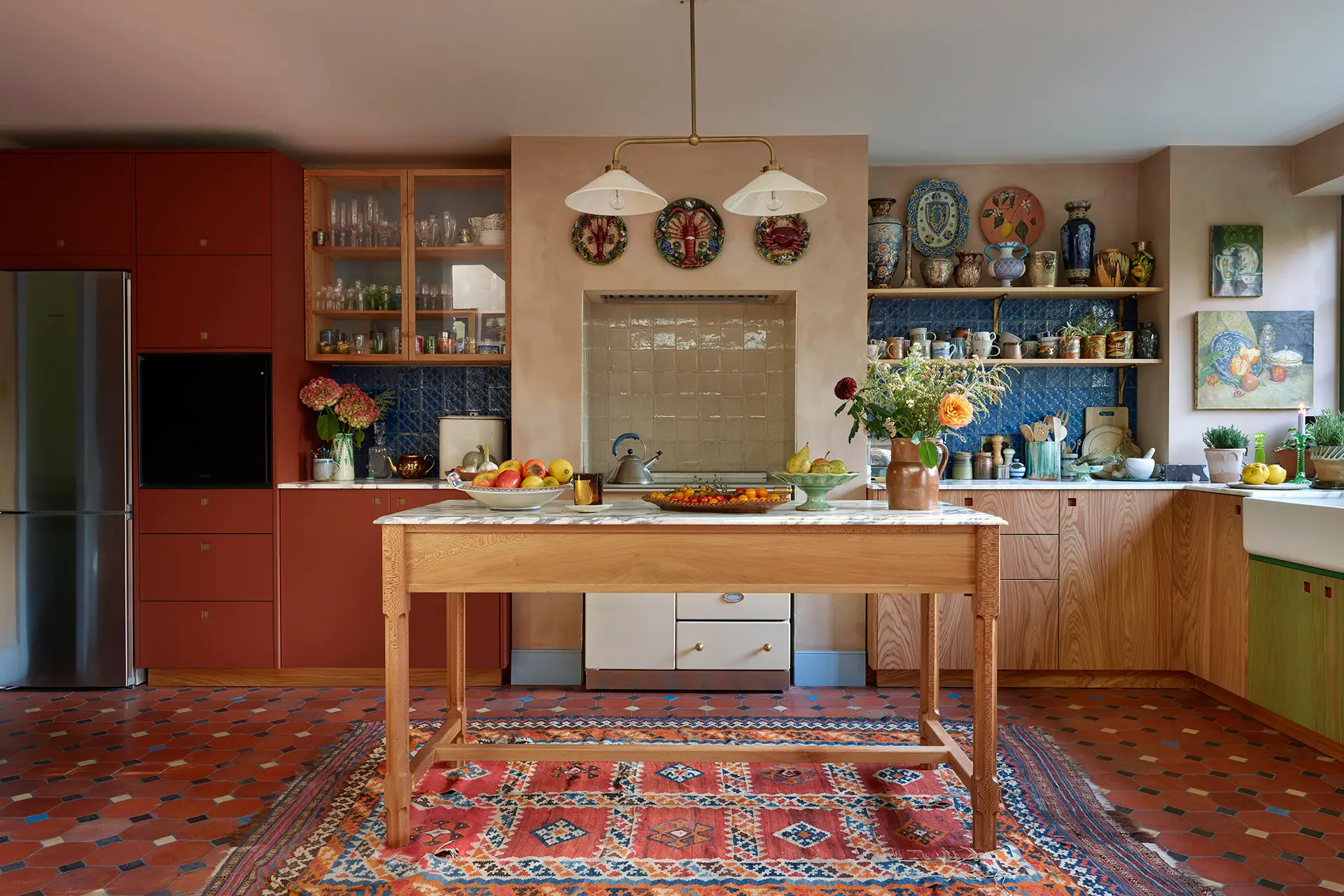
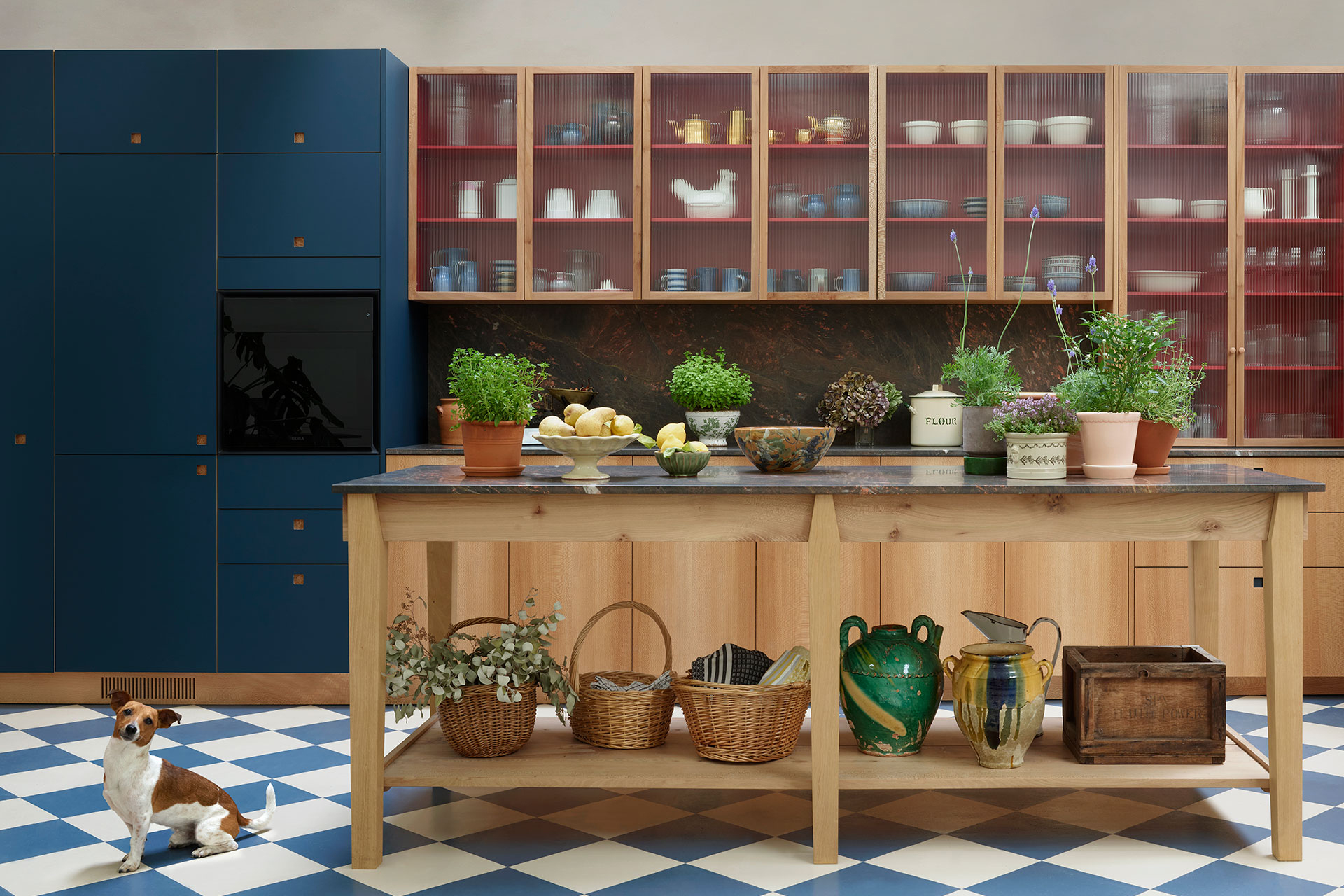
Eco Colours
Our collection of eight sustainable, carbon neutral hues. These matt colours are tactile, words like silken, strokable and soft come to mind, which seems to defy the fact that these are hard, durable surfaces that also have clever anti-fingerprint technology. We have curated a spectrum of colours that work beautifully with each other and the woods we offer. They can also be combined with the colours from the Core collection.
Terracotta
Ochre
Raspberry
Linen
Slate Grey
Verdigris
Midnight Blue
Aubergine
How are they carbon neutral you might ask?
This surface material is made of paper and thermosetting resins. Scientists at Arpa Industriale spent years developing a more environmentally friendly product and a major breakthrough came when they replaced half of the petroleum derived phenol in the resin with plant based lignin. Concurrently, the FENIX factory was switched to run on 100% renewable energy.
Then a Life Cycle Assessment, analysing CO2 emissions from cradle to grave, quantified the carbon footprint of the material. Based on the total quantity of square metres sold monthly, this is then offset through a carbon capture scheme – specifically at landfills where methane gas is used to generate electricity. Thus carbon neutrality is achieved.