Wooden Kitchens
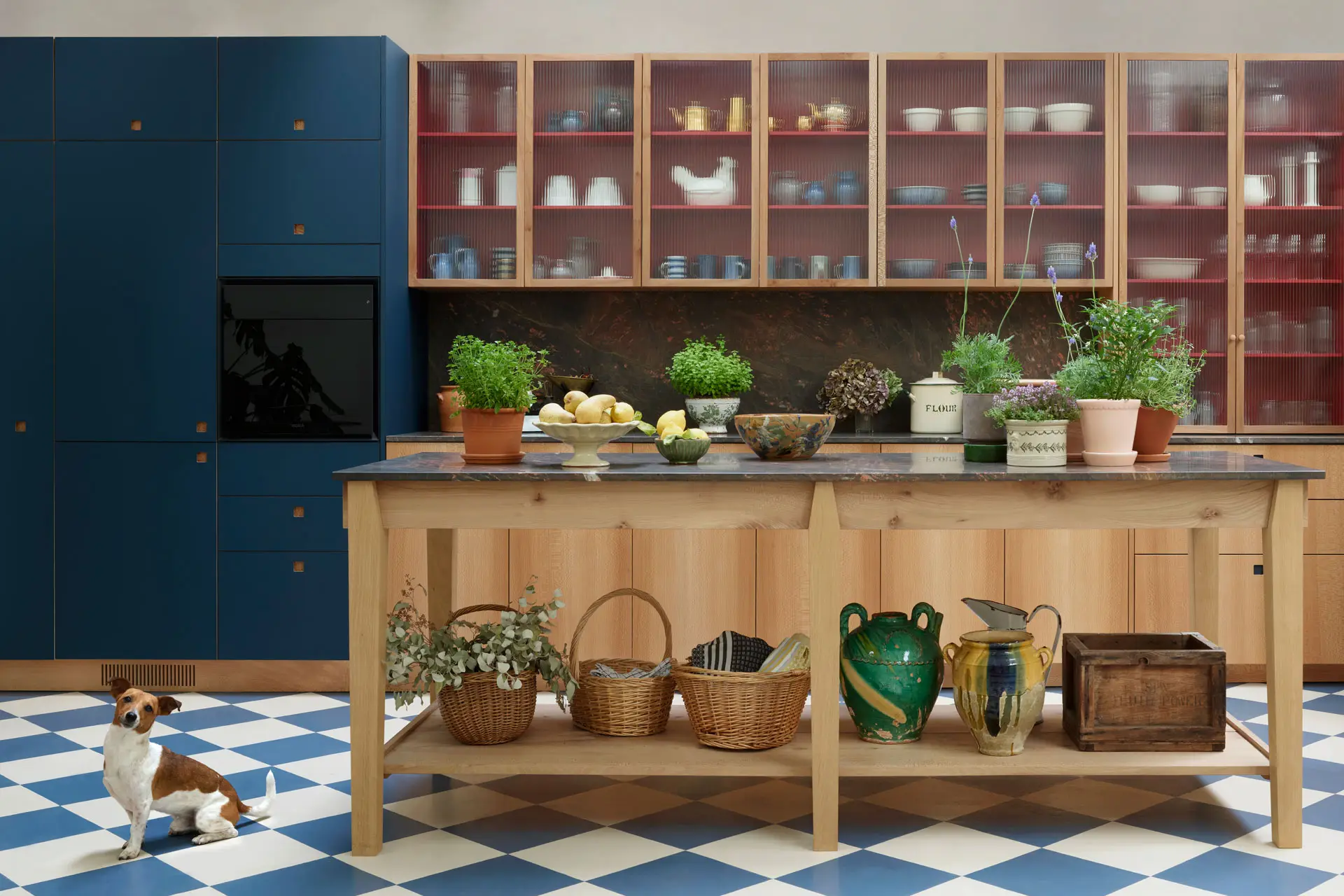
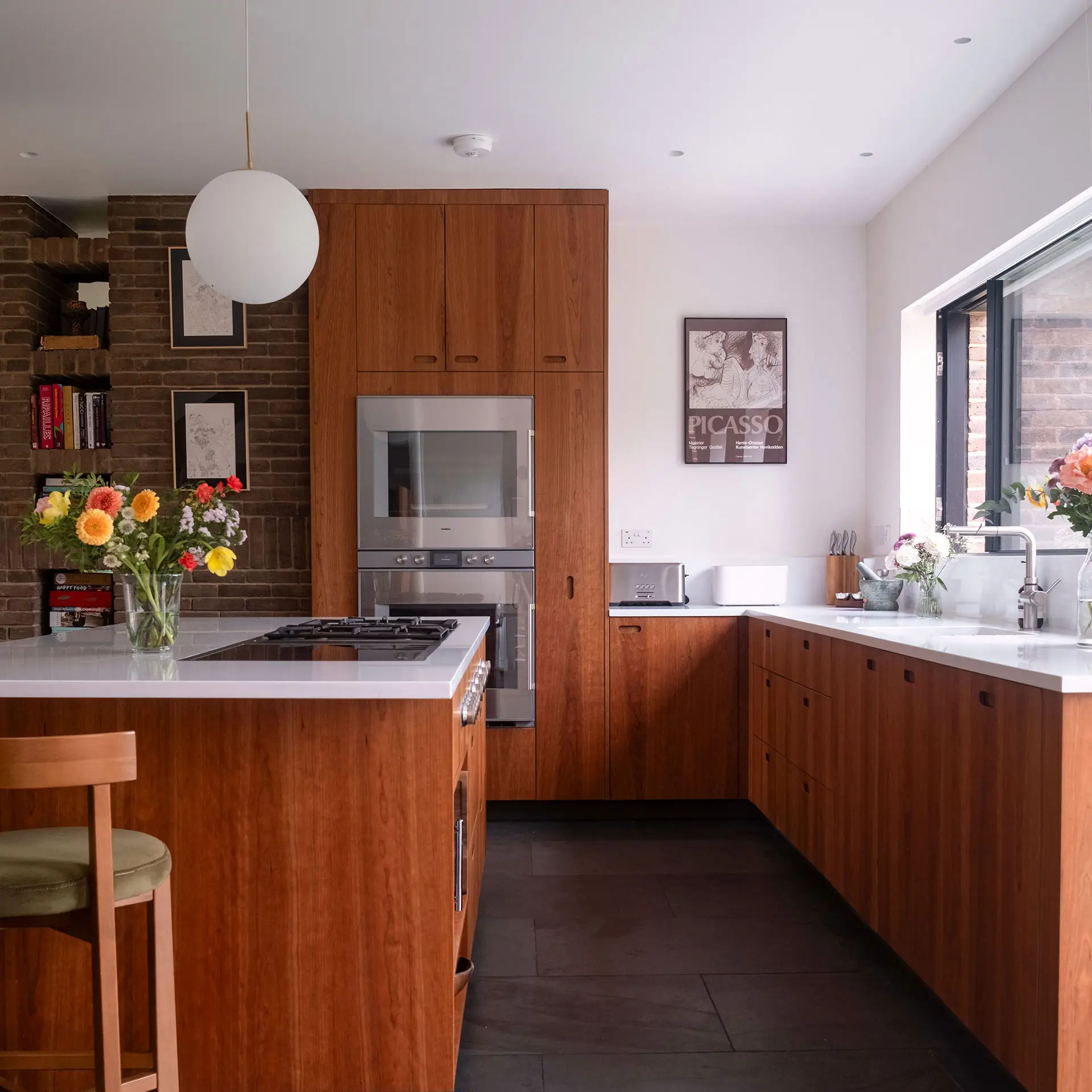
Natural and sustainable with warm tones and gorgeous grains, we firmly believe incorporating wood into a kitchen’s scheme is always a good choice. We use wood veneers on our door and drawer fronts and solid timber elsewhere. Our skilled team of carpenters and makers combine traditional woodworking techniques with modern digital technology to handcraft Pluck’s cabinetry and furniture.
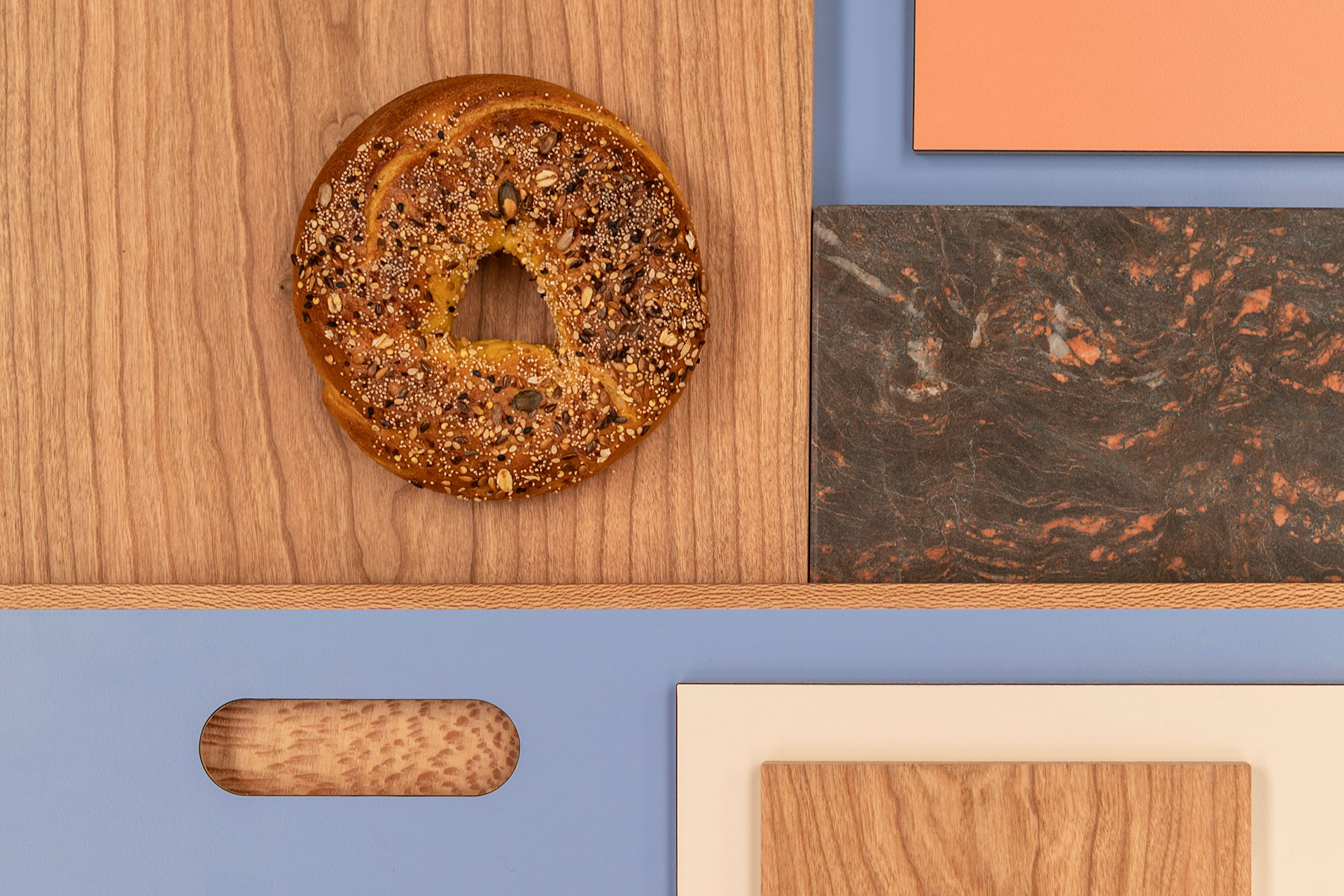
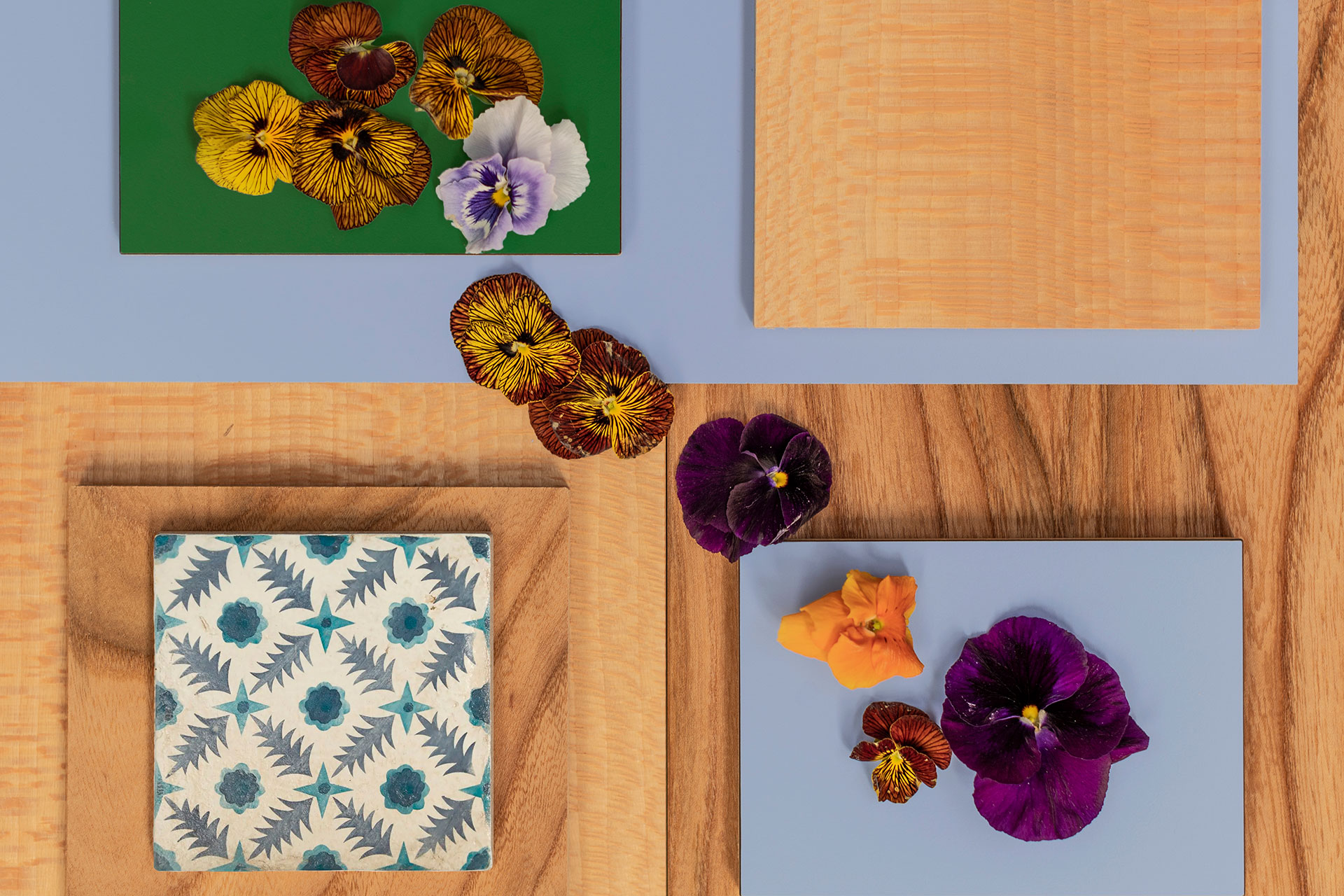
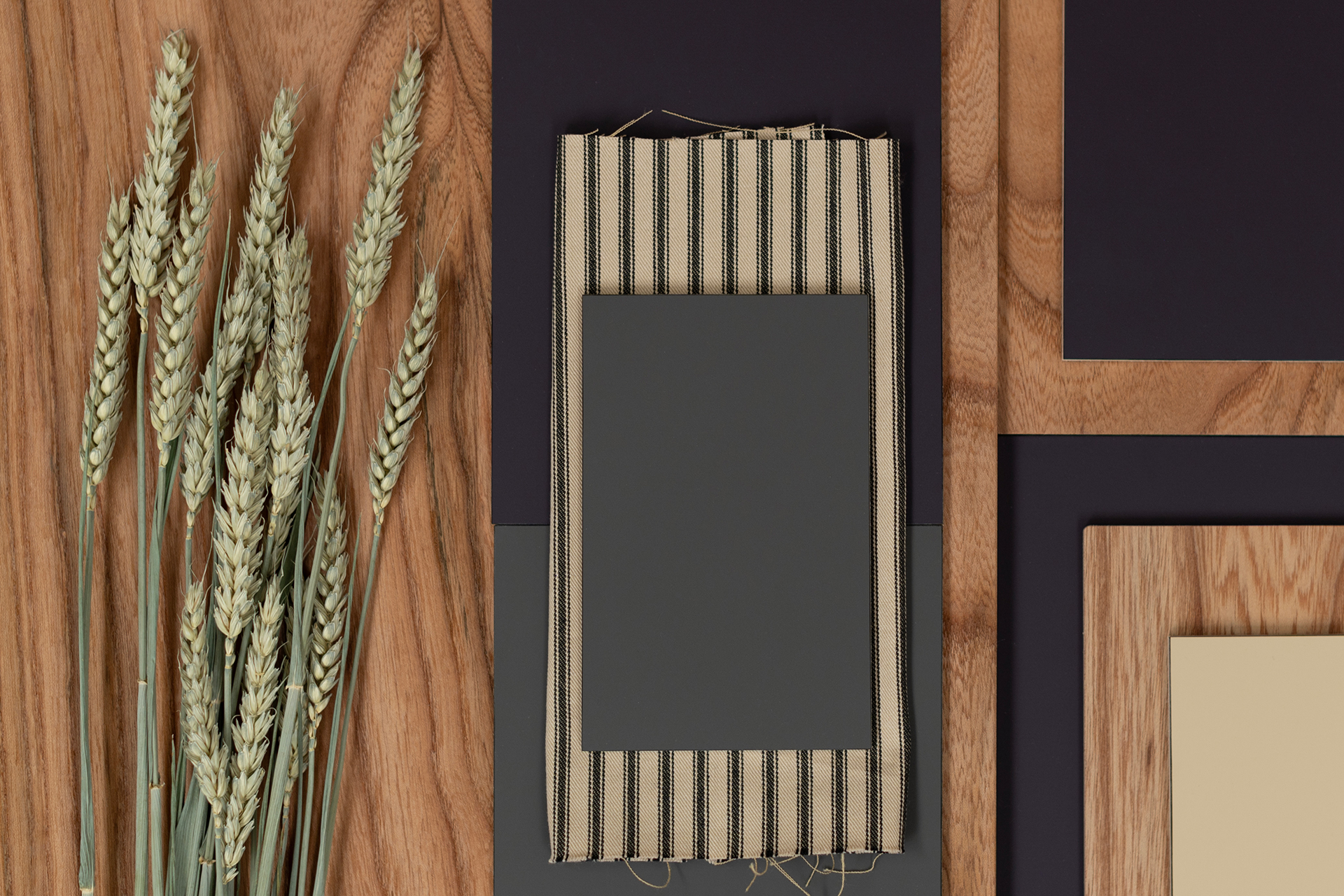
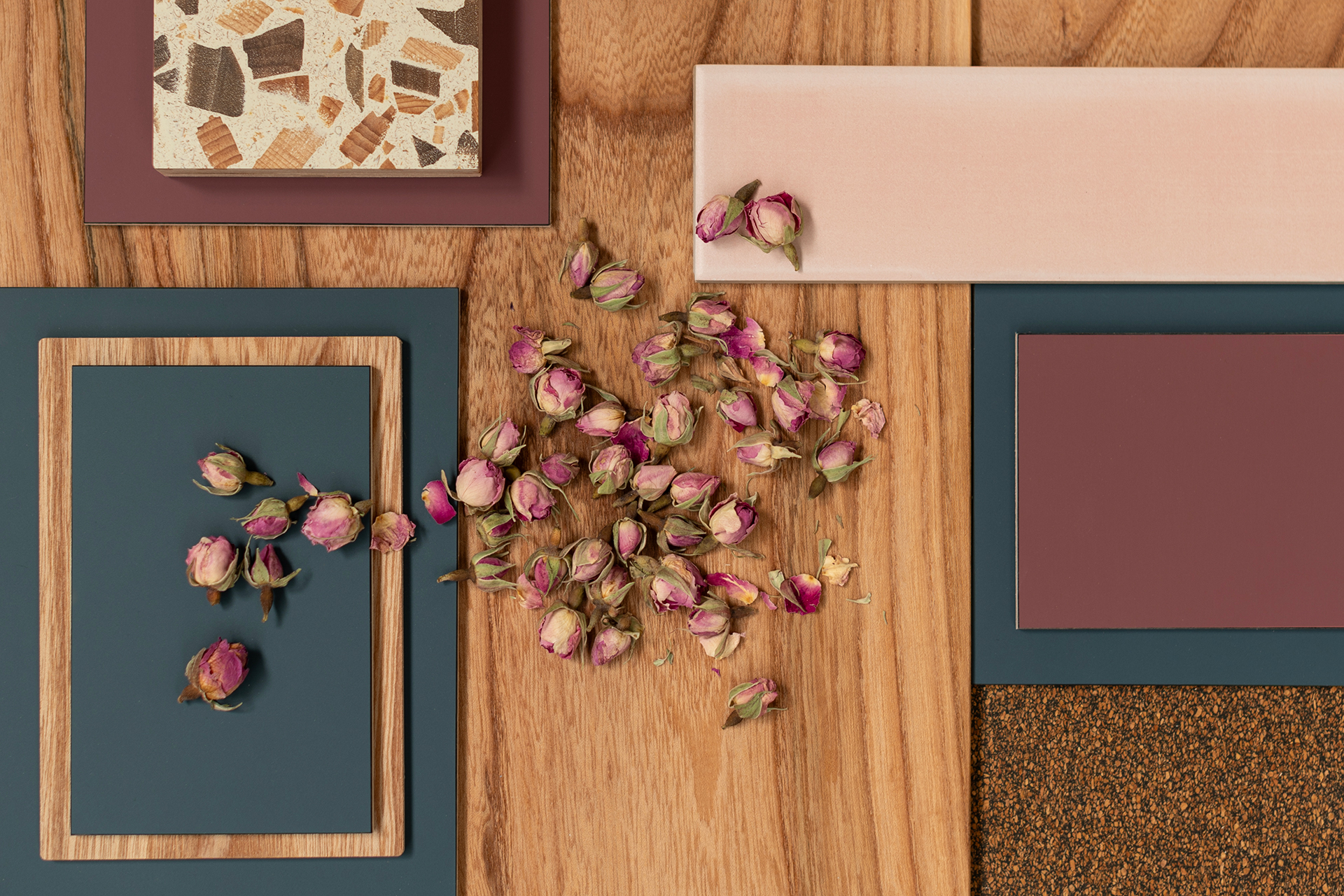
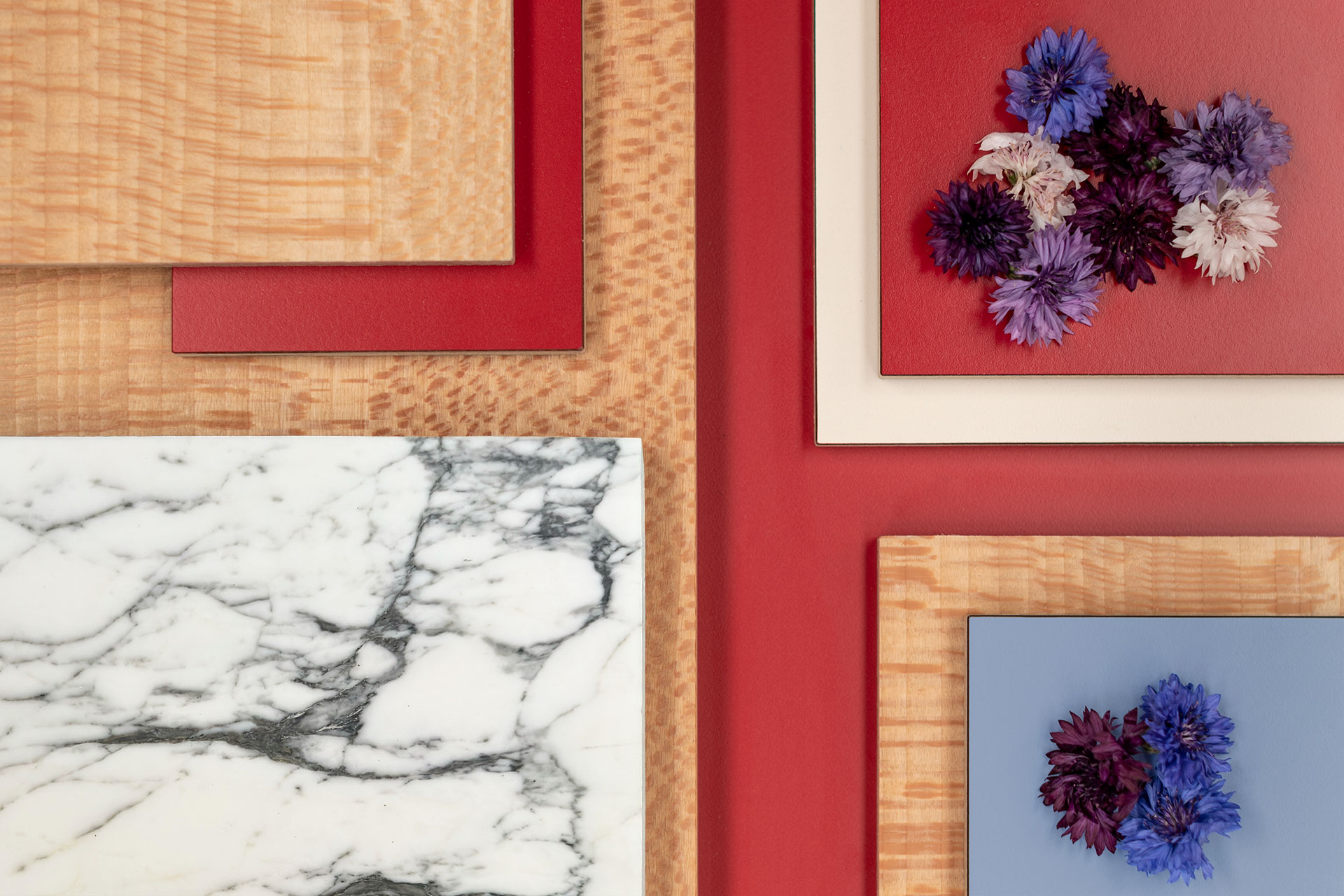
We have chosen four woods to work with, each has its own distinctive character that we have tried to capture here. Like fingerprints, every tree has a unique pattern and marking, so these are just guidelines.

London Plane
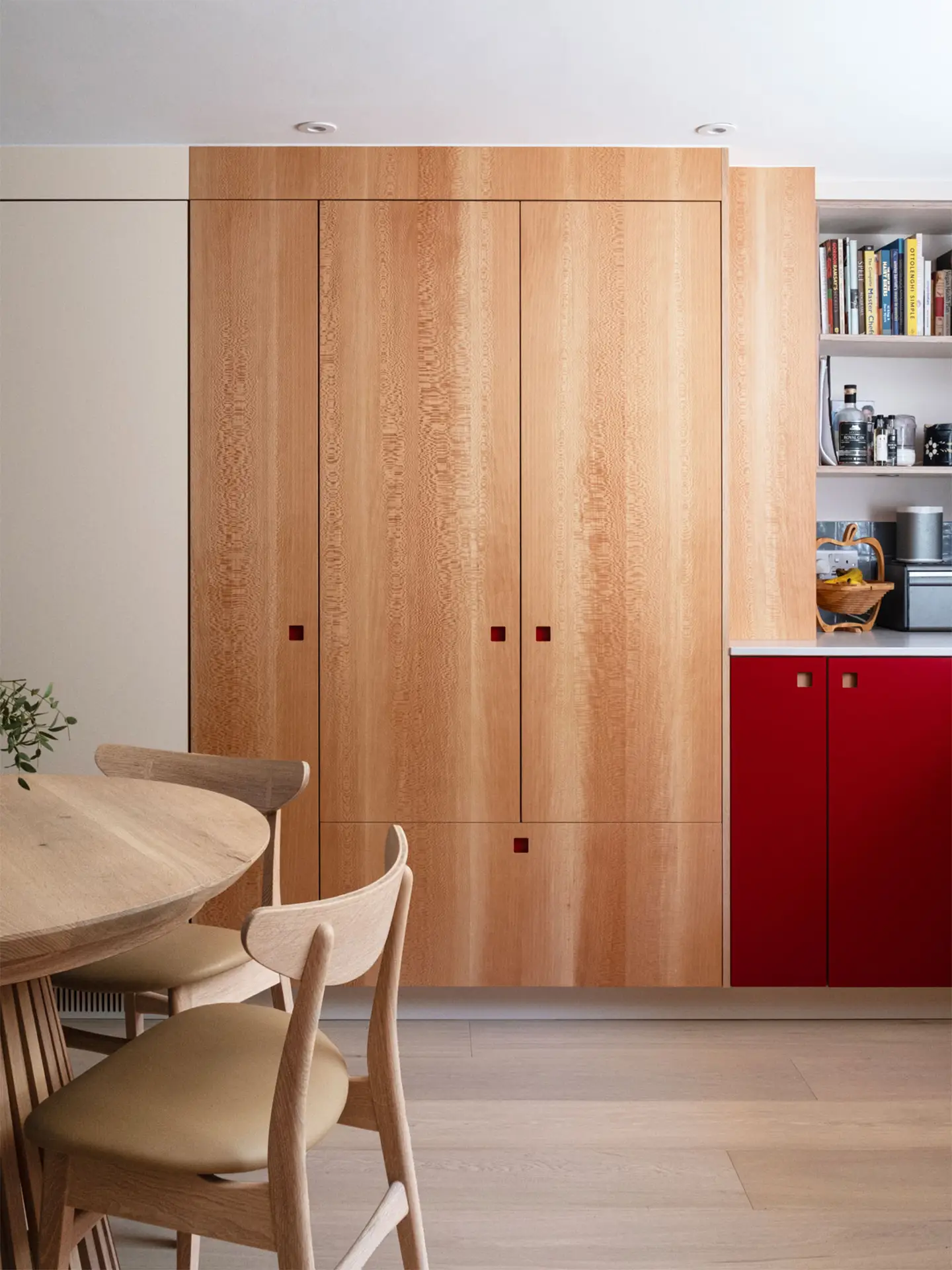
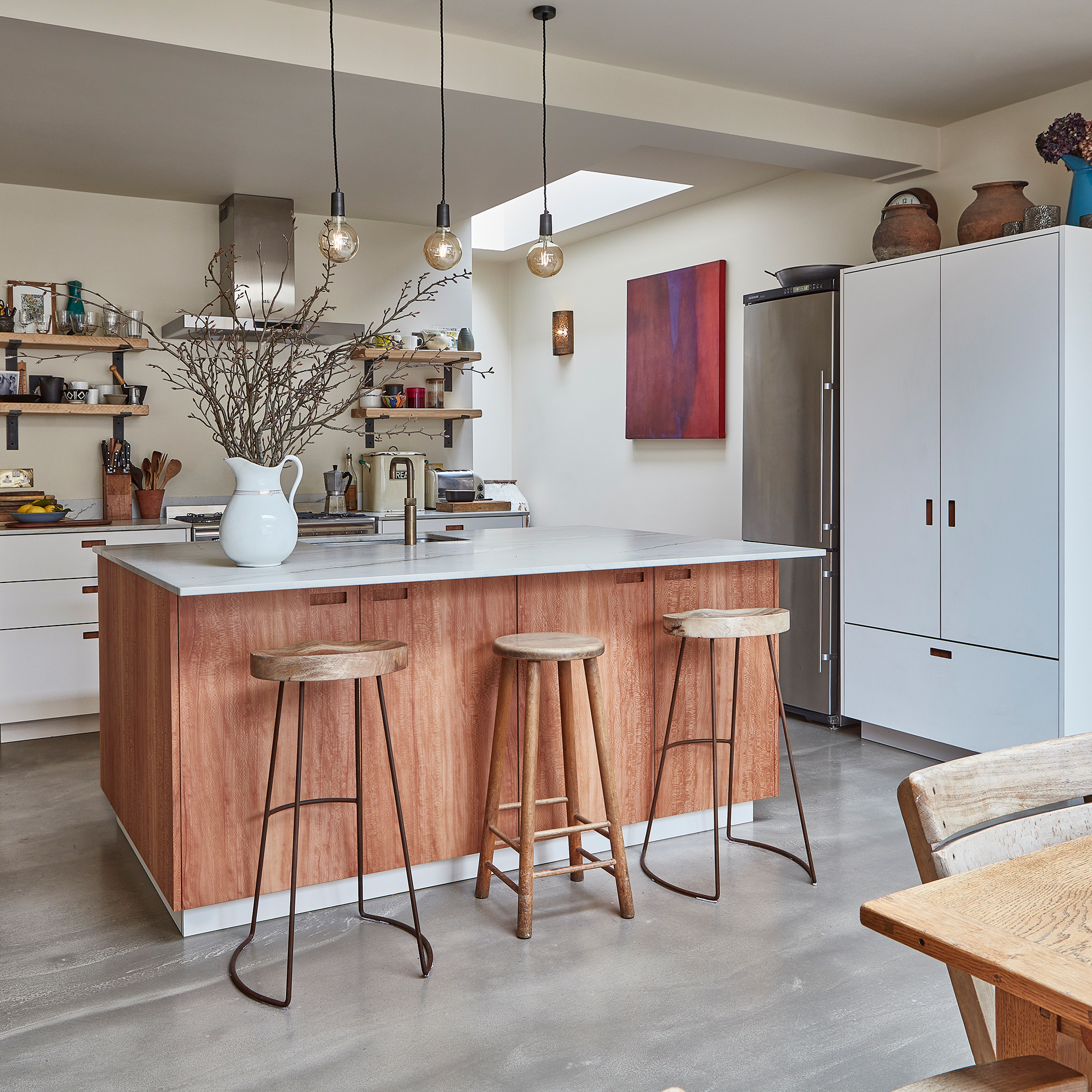
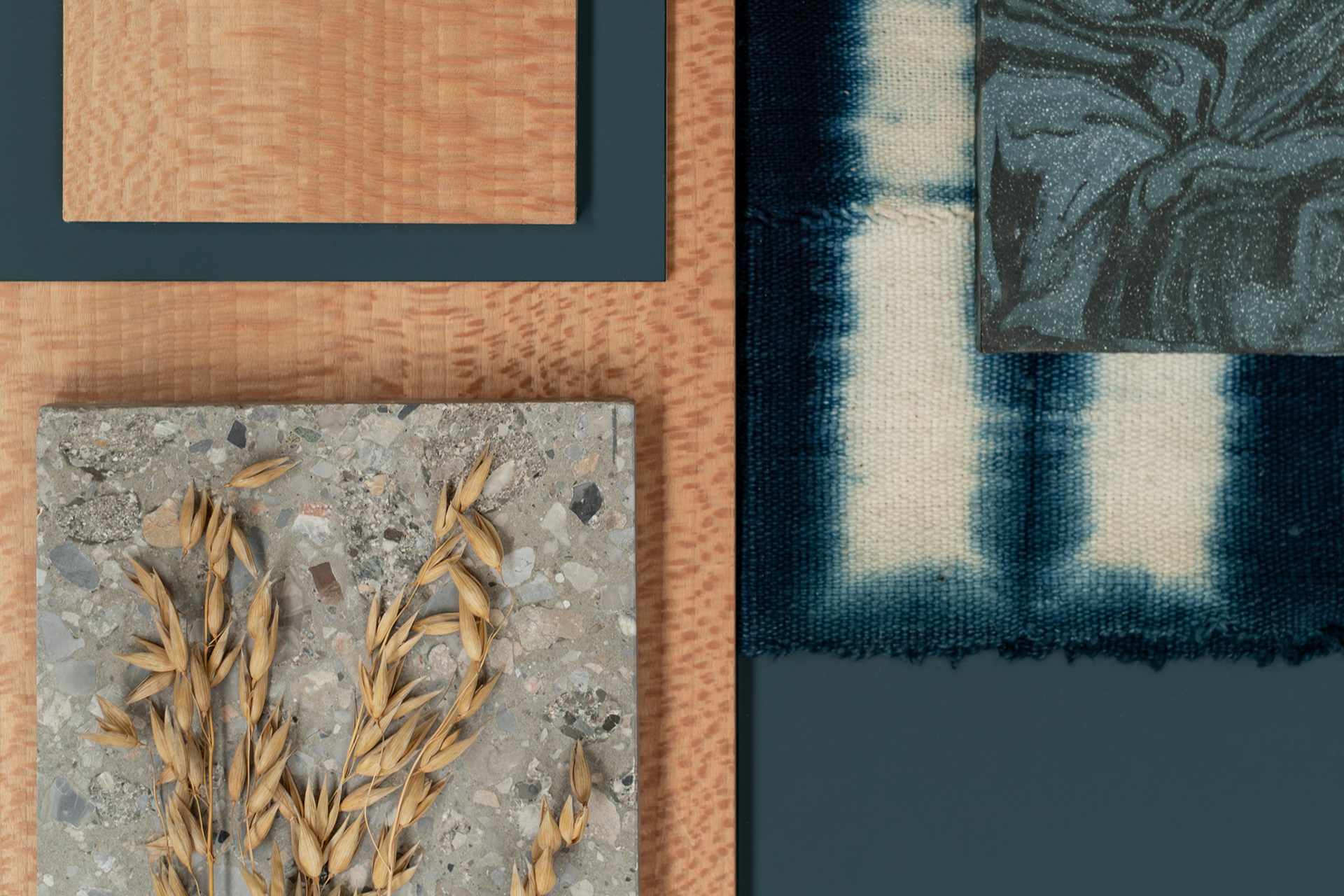
London Plane, also known as lacewood, has a distinctive and very beautiful flecked pattern; the grain can be evocative of animal print, brushstrokes, an abstract graphic or lace. The tones of the wood are warm.

Elm
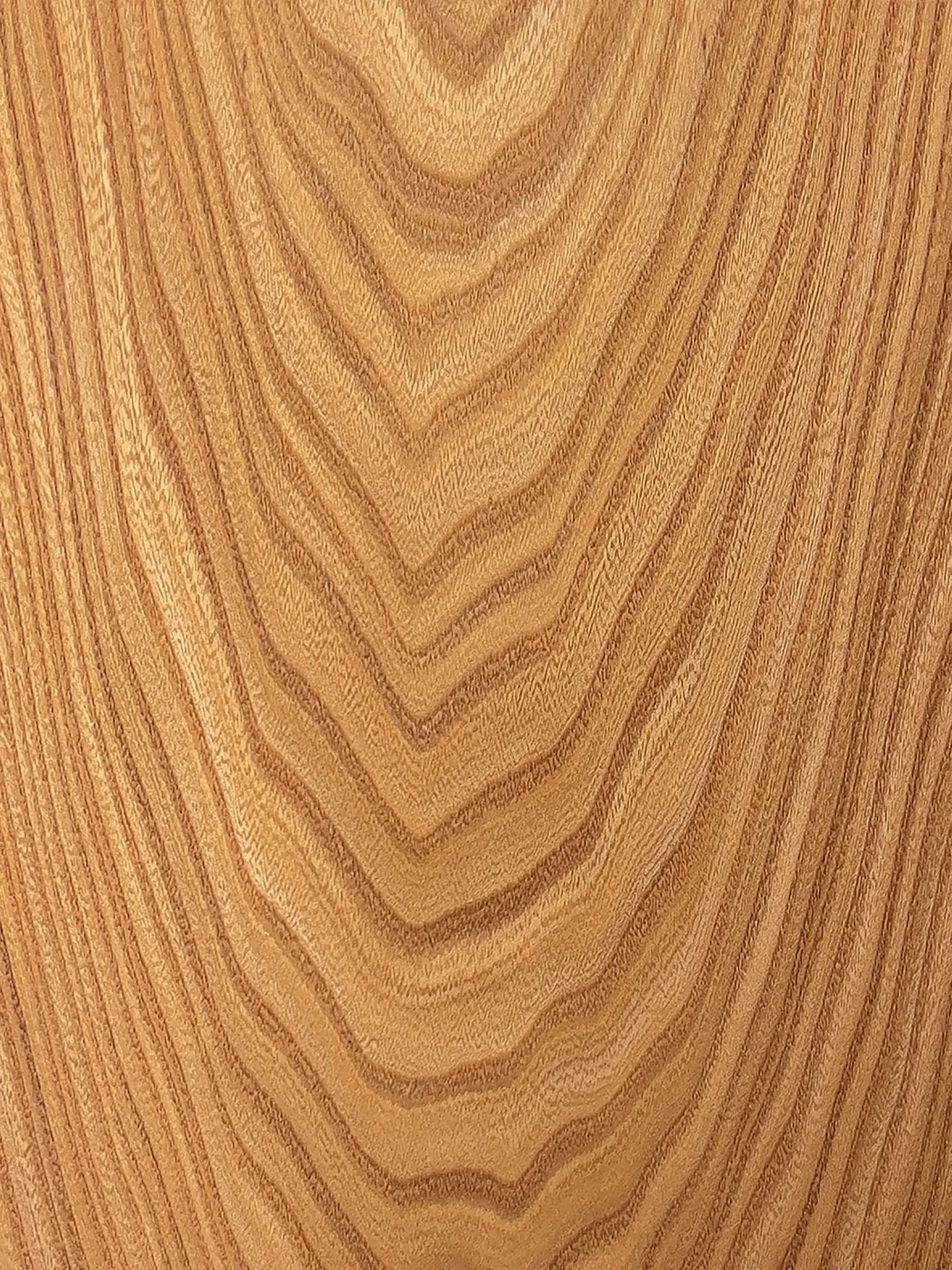
Elm typically has a large and dramatic grain and these wonderful ripples can look like zebra or tiger stripes. The wood tends to have a soft tone, with the grain in particular being marked out in darker toffee coloured lines.
Cherry
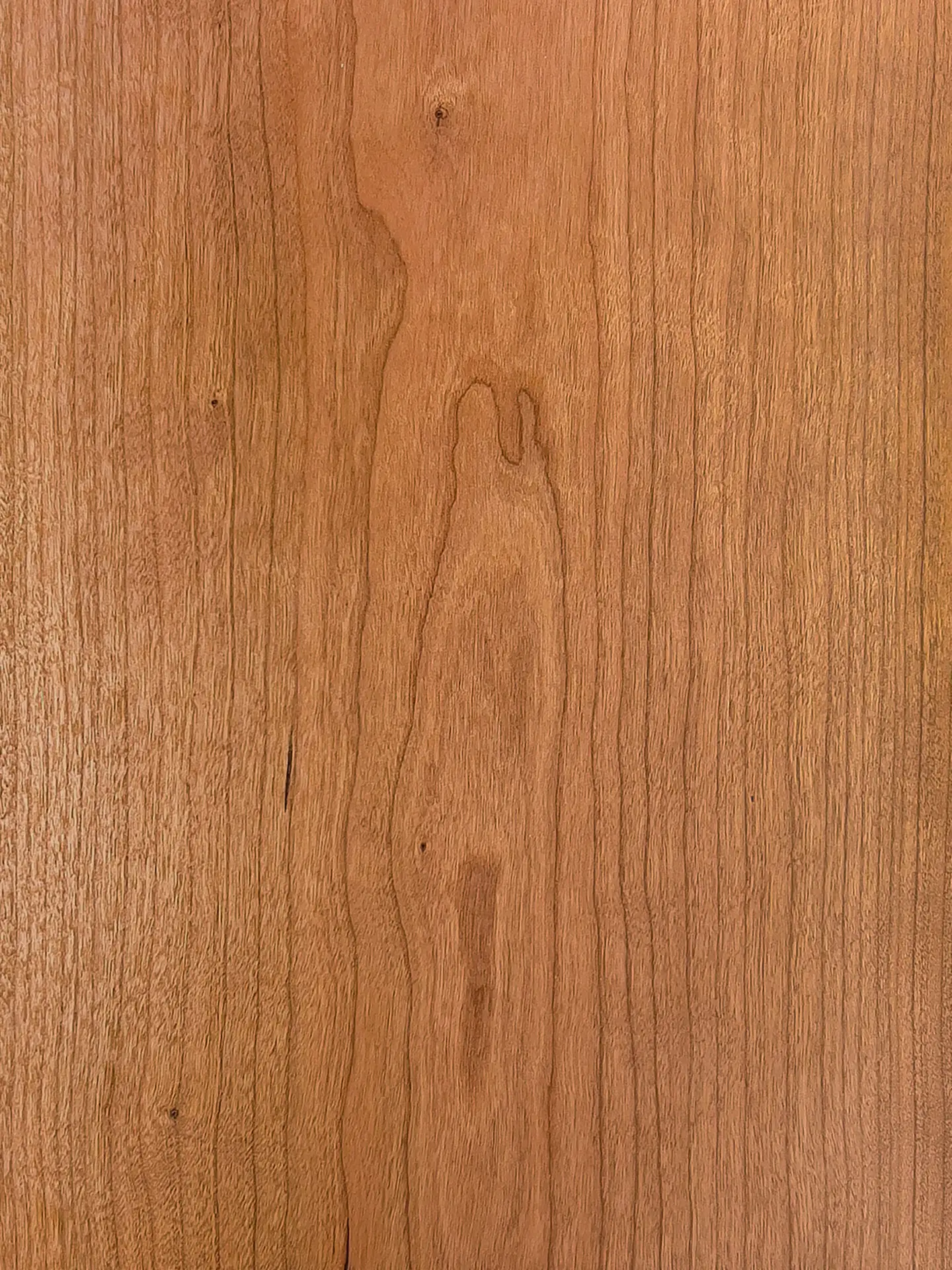
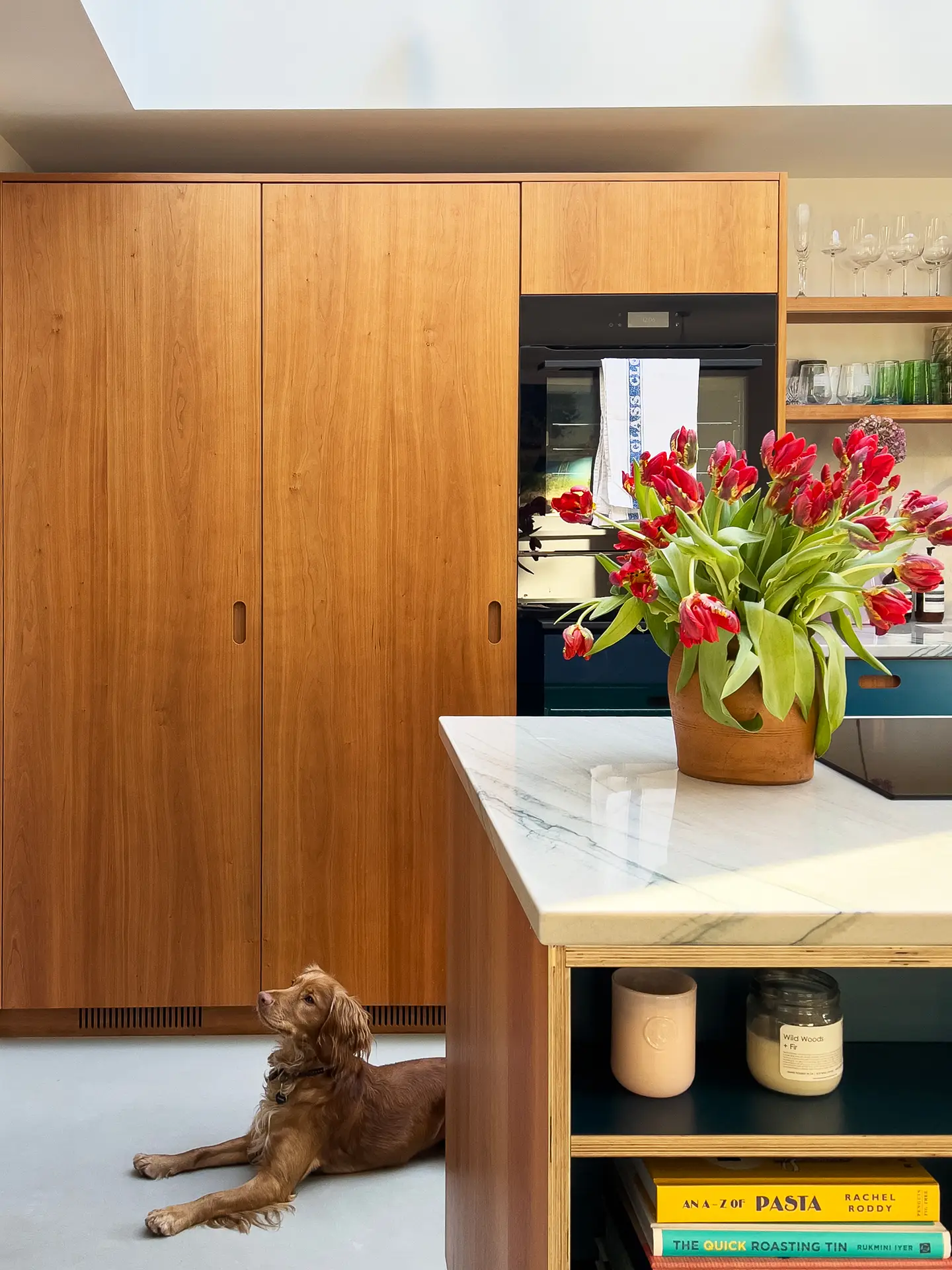
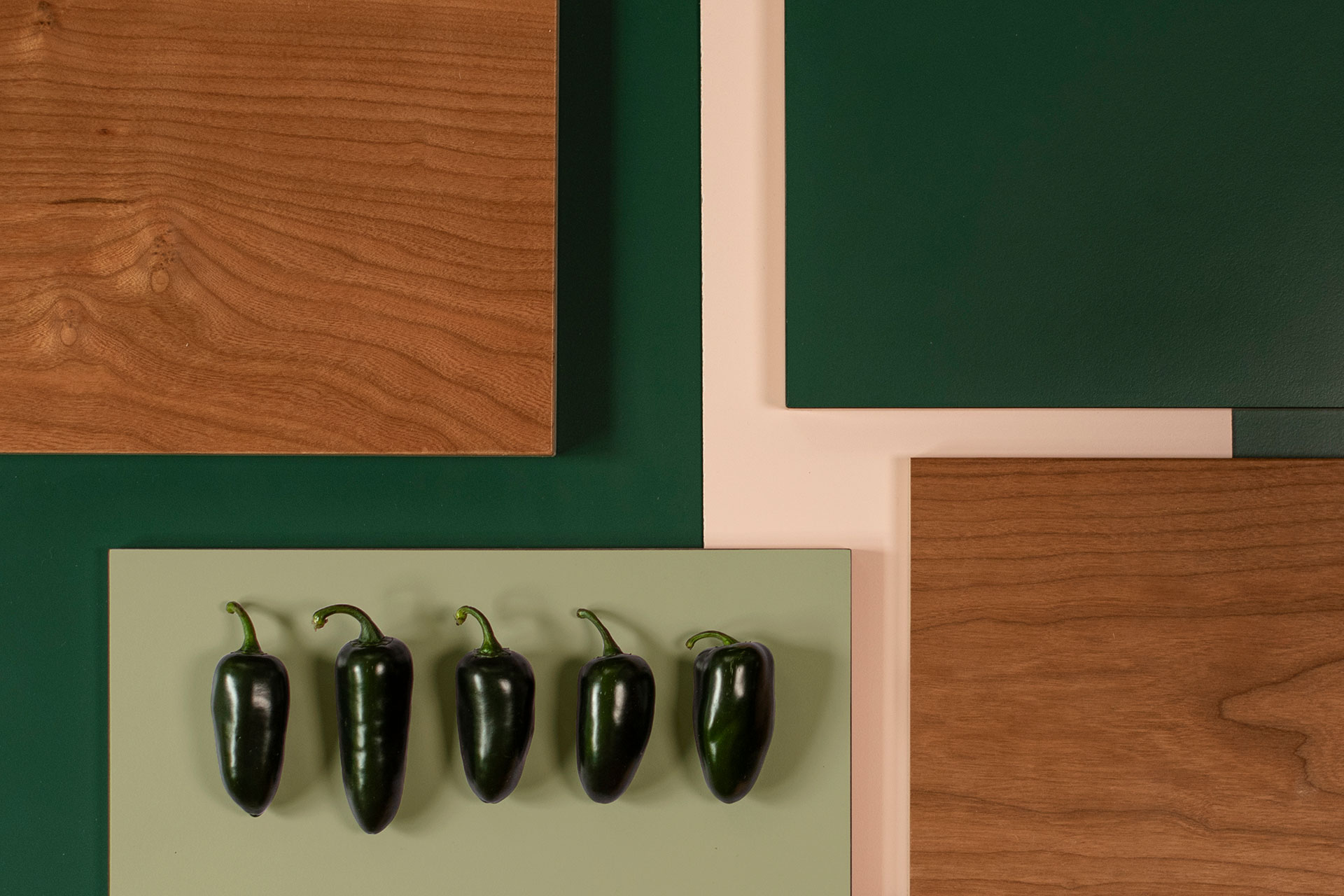
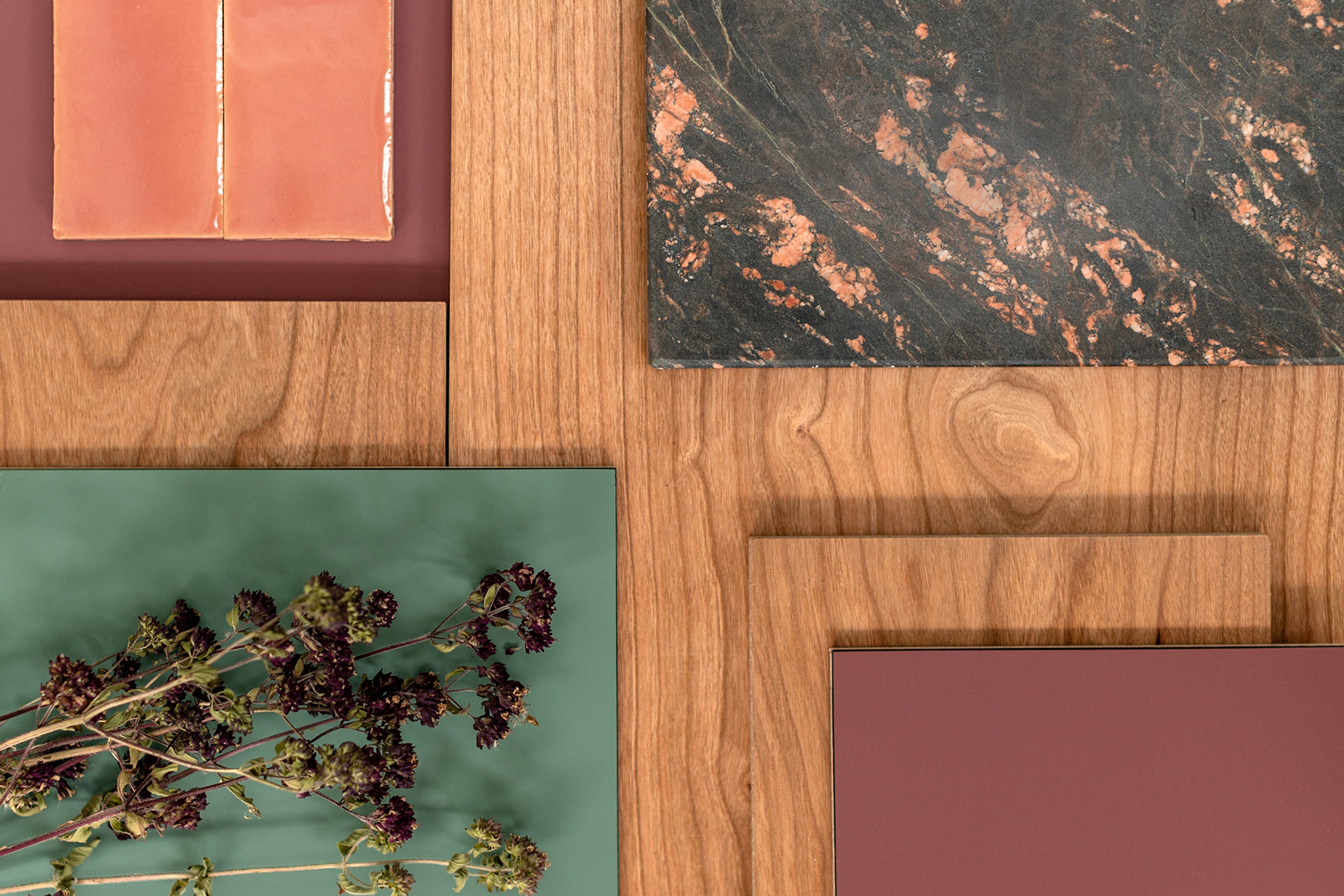
Cherry has a rich colour tending towards pink or a darker reddish tone. This wood pairs well with cooler shades – greens and blues. The grain is subtler than that of other woods with a straight pattern punctuated by the odd undulation.

Oak
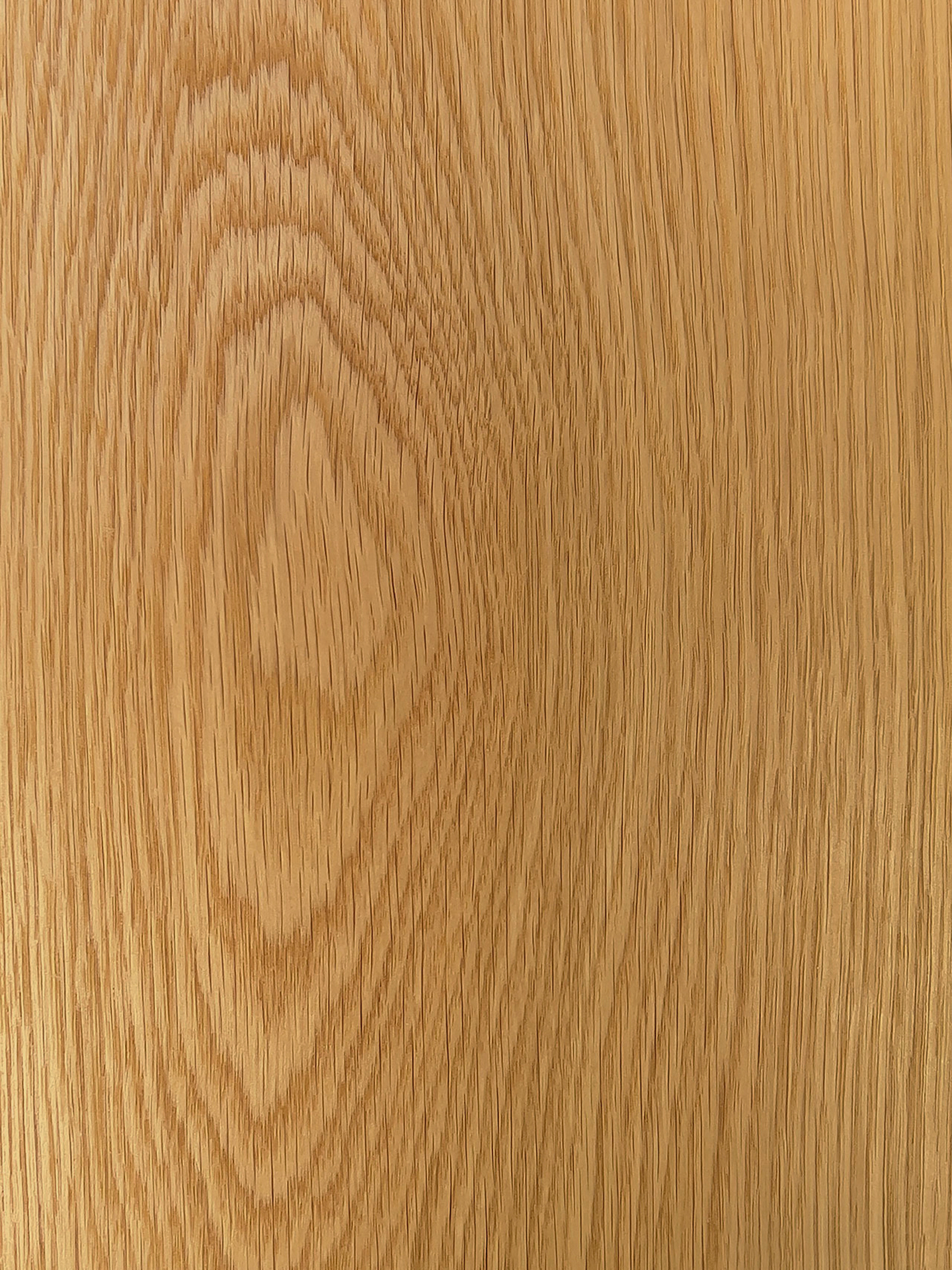
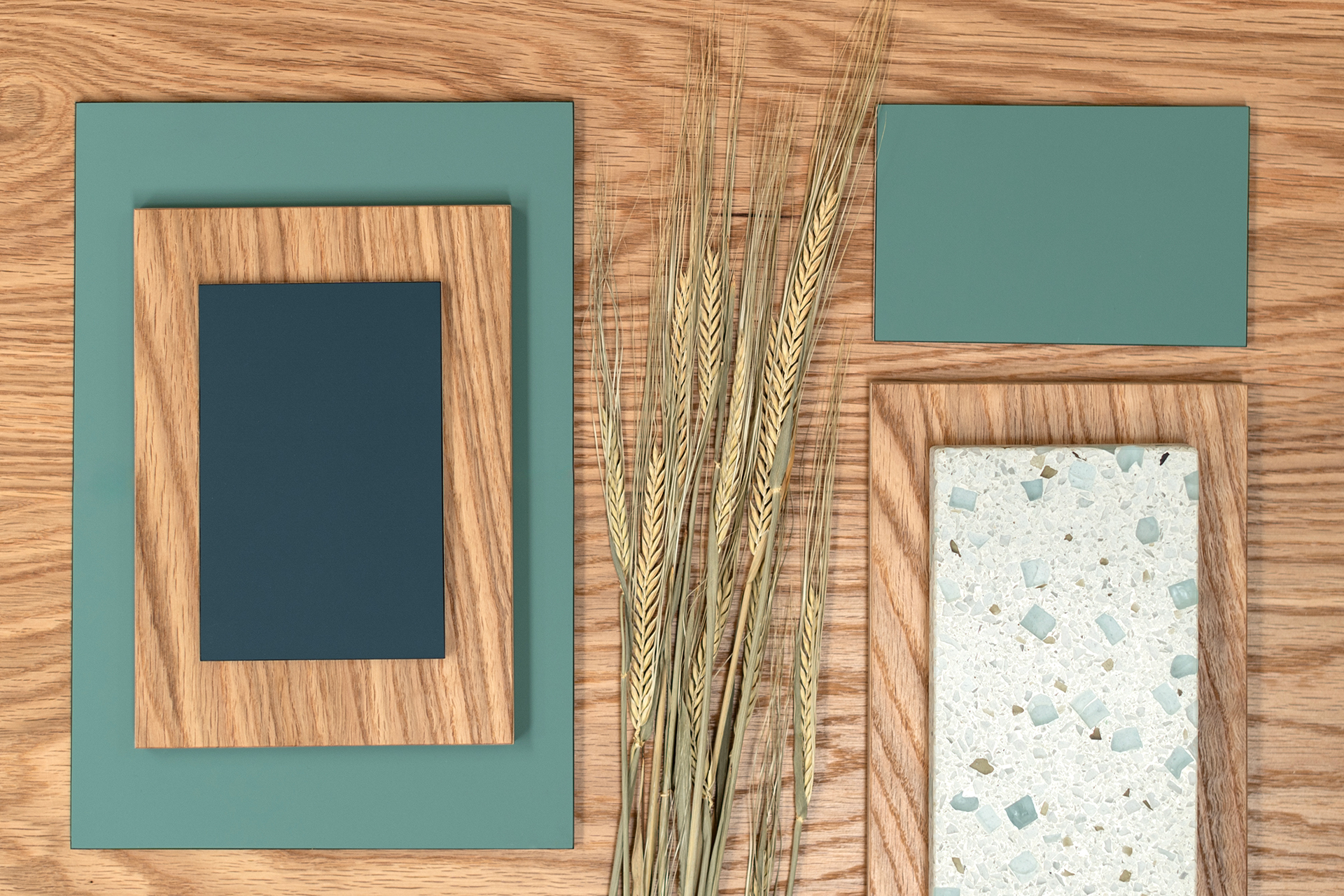
Our most classic offering, Oak has the lightest shades of the woods here, with golden and pale brown undertones. The grain tends to be tightly packed with a quintessential swirling pattern.
Why We Use Wood Veneers
We feel passionate about how perfect wood veneers are for kitchen doors and drawer fronts. It is a very conscious decision for us not to use solid wood and here’s why.
Aesthetically, our wood veneered cupboard fronts have a distinctive look and that is down to the techniques we use. Our cabinet makers expertly match the thin sheaves of wood. They lay the veneers out, using their skilled eye to determine what the best configuration will be, where the most intensely patterned areas are and how they will flow across the plane. There is balance between keeping the rhythm of the grain feeling natural, whilst also enhancing the pattern. There is a real art to excellent veneering and the results are stunning. Many times we have gathered around newly revealed cupboard doors in rapture at the beauty of the wood (and in admiration of our talented colleagues!).
Elsewhere, our decision to commit to wood veneers, comes down to a deep respect for timber, a precious natural resource that ultimately we only use when necessary. Yes all of our wood is responsibly sourced, but we wish to keep use of these slower growing hardwoods to a minimum. Put basically, take a piece of raw timber and slice it into many veneer leaves and one is able to use the most beautifully patterned grain many times over. Keep it one solid block and you get far less from it.
We press our veneers onto high grade birch plywood, using non-toxic, VOC free adhesives. The birch plywood is made from faster growing birch trees that grow in abundance in sustainably managed forests. This is the material we use for all our carcasses.
Learn more about our sustainable practices here and for a closer look at our workshop here.





Wood, Colour and More…
A perusal of our Projects shows how we can incorporate wood in a myriad of ways. From islands, to cupboard doors, Prep Tables and glazed cabinets. We are also adept at creatively combining wood with colour or we can embrace pure wooden kitchens or the classic pairing of white and wood. Our Palettes page too is a place to find kitchen colour and wood inspiration.
Wooden Kitchens
Natural and sustainable with warm tones and gorgeous grains, we firmly believe incorporating wood into a kitchen’s scheme is always a good choice. We use wood veneers on our door and drawer fronts and solid timber elsewhere. Our skilled team of carpenters and makers combine traditional woodworking techniques with modern digital technology to handcraft Pluck’s cabinetry and furniture.
We have chosen four woods to work with, each has its own distinctive character that we have tried to capture here. Like fingerprints, every tree has a unique pattern and marking, so these are just guidelines.
London Plane
London Plane, also known as lacewood, has a distinctive and very beautiful flecked pattern; the grain can be evocative of animal print, brushstrokes, an abstract graphic or lace. The tones of the wood are warm.
Elm
Elm typically has a large and dramatic grain and these wonderful ripples can look like zebra or tiger stripes. The wood tends to have a soft tone, with the grain in particular being marked out in darker toffee coloured lines.
Cherry
Cherry has a rich colour tending towards pink or a darker reddish tone. This wood pairs well with cooler shades – greens and blues. The grain is subtler than that of other woods with a straight pattern punctuated by the odd undulation.
Oak
Our most classic offering, Oak has the lightest shades of the woods here, with golden and pale brown undertones. The grain tends to be tightly packed with a quintessential swirling pattern.
Why We Use Wood Veneers
We feel passionate about how perfect wood veneers are for kitchen doors and drawer fronts. It is a very conscious decision for us not to use solid wood and here’s why.
Aesthetically, our wood veneered cupboard fronts have a distinctive look and that is down to the techniques we use. Our cabinet makers expertly match the thin sheaves of wood. They lay the veneers out, using their skilled eye to determine what the best configuration will be, where the most intensely patterned areas are and how they will flow across the plane. There is balance between keeping the rhythm of the grain feeling natural, whilst also enhancing the pattern. There is a real art to excellent veneering and the results are stunning. Many times we have gathered around newly revealed cupboard doors in rapture at the beauty of the wood (and in admiration of our talented colleagues!).
Elsewhere, our decision to commit to wood veneers, comes down to a deep respect for timber, a precious natural resource that ultimately we only use when necessary. Yes all of our wood is responsibly sourced, but we wish to keep use of these slower growing hardwoods to a minimum. Put basically, take a piece of raw timber and slice it into many veneer leaves and one is able to use the most beautifully patterned grain many times over. Keep it one solid block and you get far less from it.
We press our veneers onto high grade birch plywood, using non-toxic, VOC free adhesives. The birch plywood is made from faster growing birch trees that grow in abundance in sustainably managed forests. This is the material we use for all our carcasses.
Learn more about our sustainable practices here and for a closer look at our workshop here.
Wood, Colour and More…
A perusal of our Projects shows how we can incorporate wood in a myriad of ways. From islands, to cupboard doors, Prep Tables and glazed cabinets. We are also adept at creatively combining wood with colour or we can embrace pure wooden kitchens or the classic pairing of white and wood. Our Palettes page too is a place to find kitchen colour and wood inspiration.