A Visit to Benton End via The Garden Museum…

Cedric Morris, Benton Blue Tit, 1965
I think The Garden Museum is possibly as divisive as Marmite – you either get the genius of a museum dedicated to horticulture, set in a converted church on the banks of the River Thames; or you find it rather baffling and quite possibly random that this is the spot for ‘Britain‘s only museum of the art, history and design of gardens’…cannot embrace the juxtaposition of a celebrating growth, plants and the history of landscaping, in the gloomy arches of a church interior.
I fall very much in the former category and have a huge soft spot for this charming, characterful museum. The quiet sanctity of former church St Mary-at-Lambeth, with its 14th century tower and beautiful stained glass windows, is home to an eclectic collection of paintings, memorabilia and other gardening-related curiosities. I find that this former place of worship imbues all that is exhibited here with a certain mystical aura – even a plastic elephant watering can…

Elephant watering can, 2004
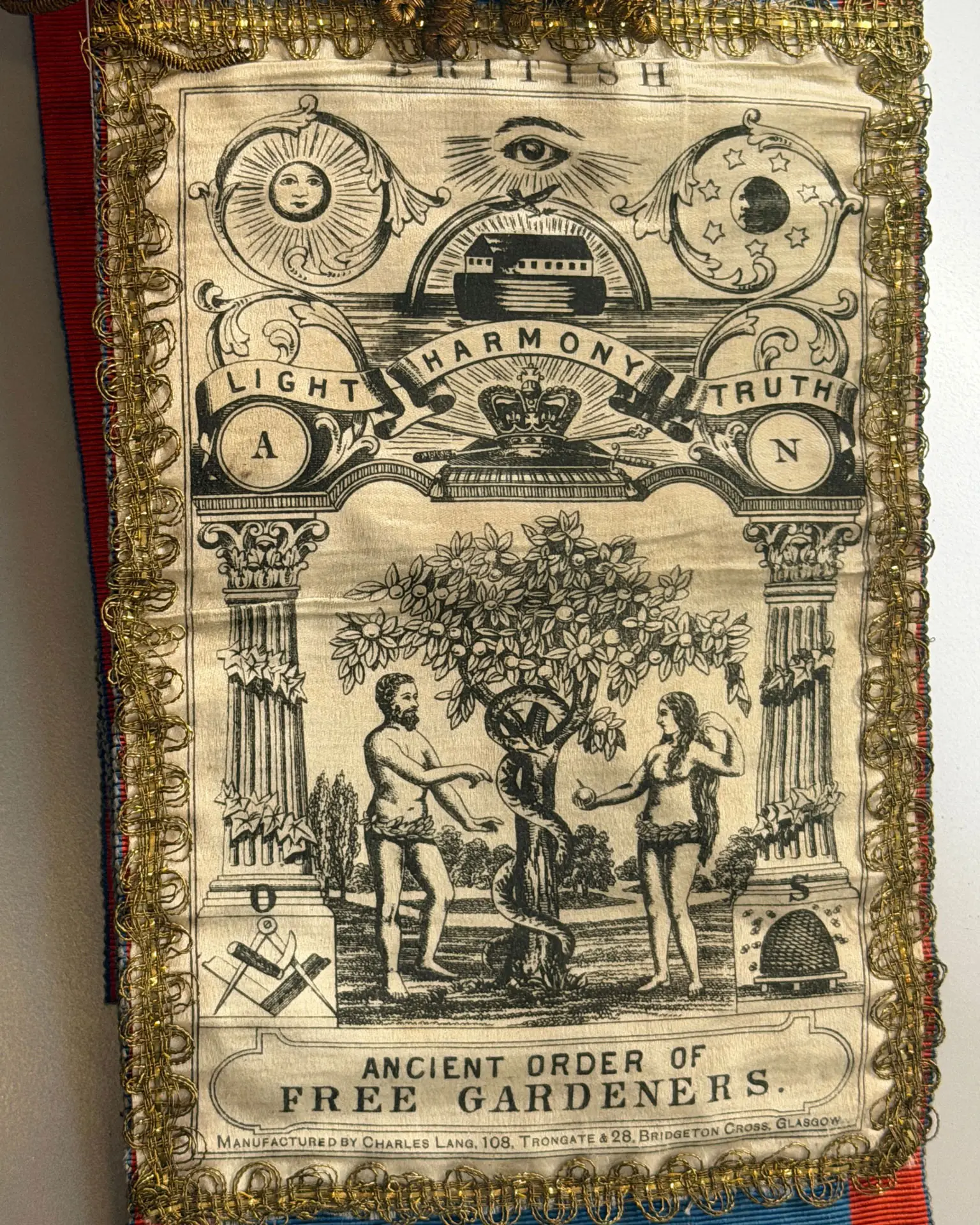
Golden trimmed silk panel depicting Adam and Eve in the Garden of Eden
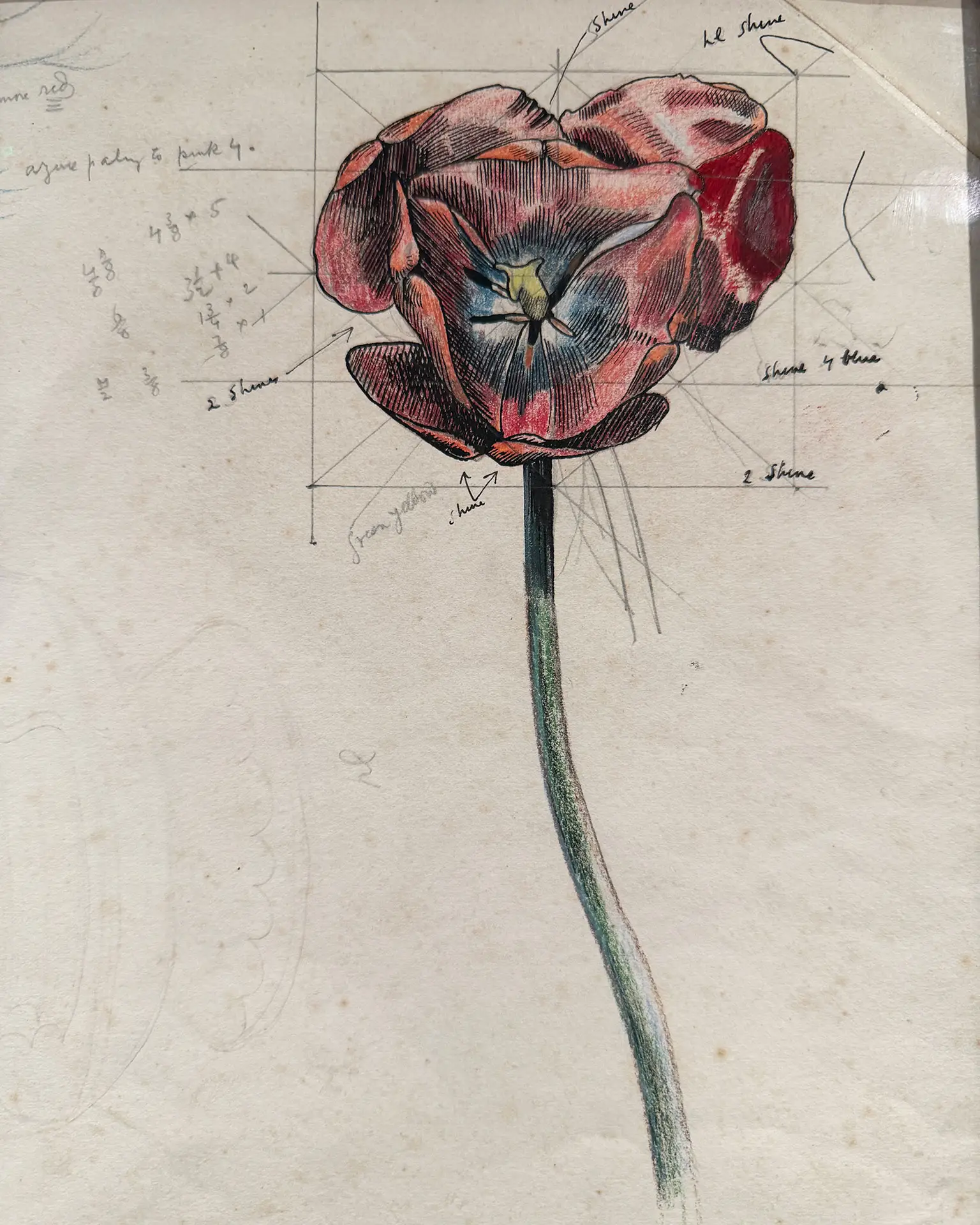
Sketch by John Nash
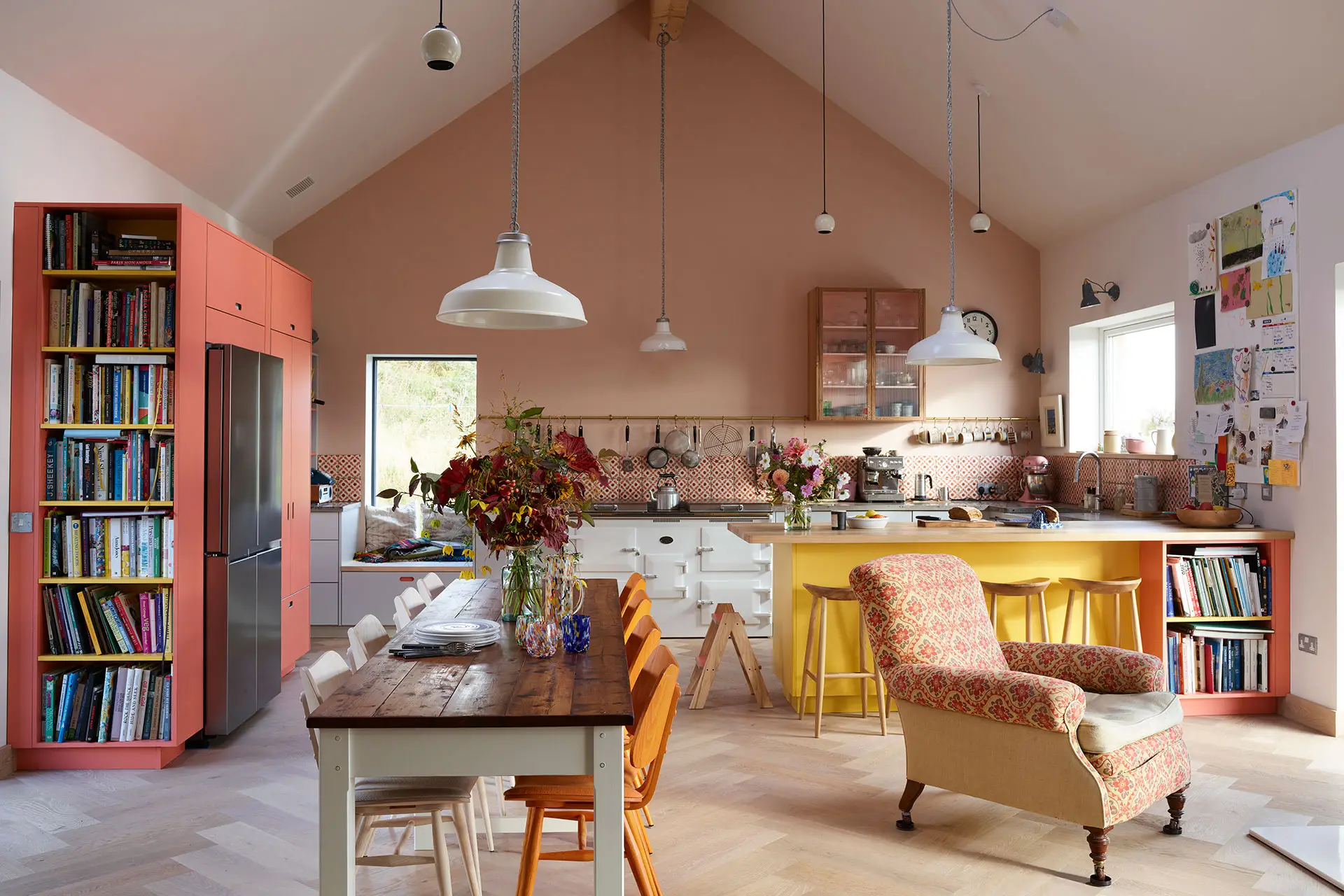
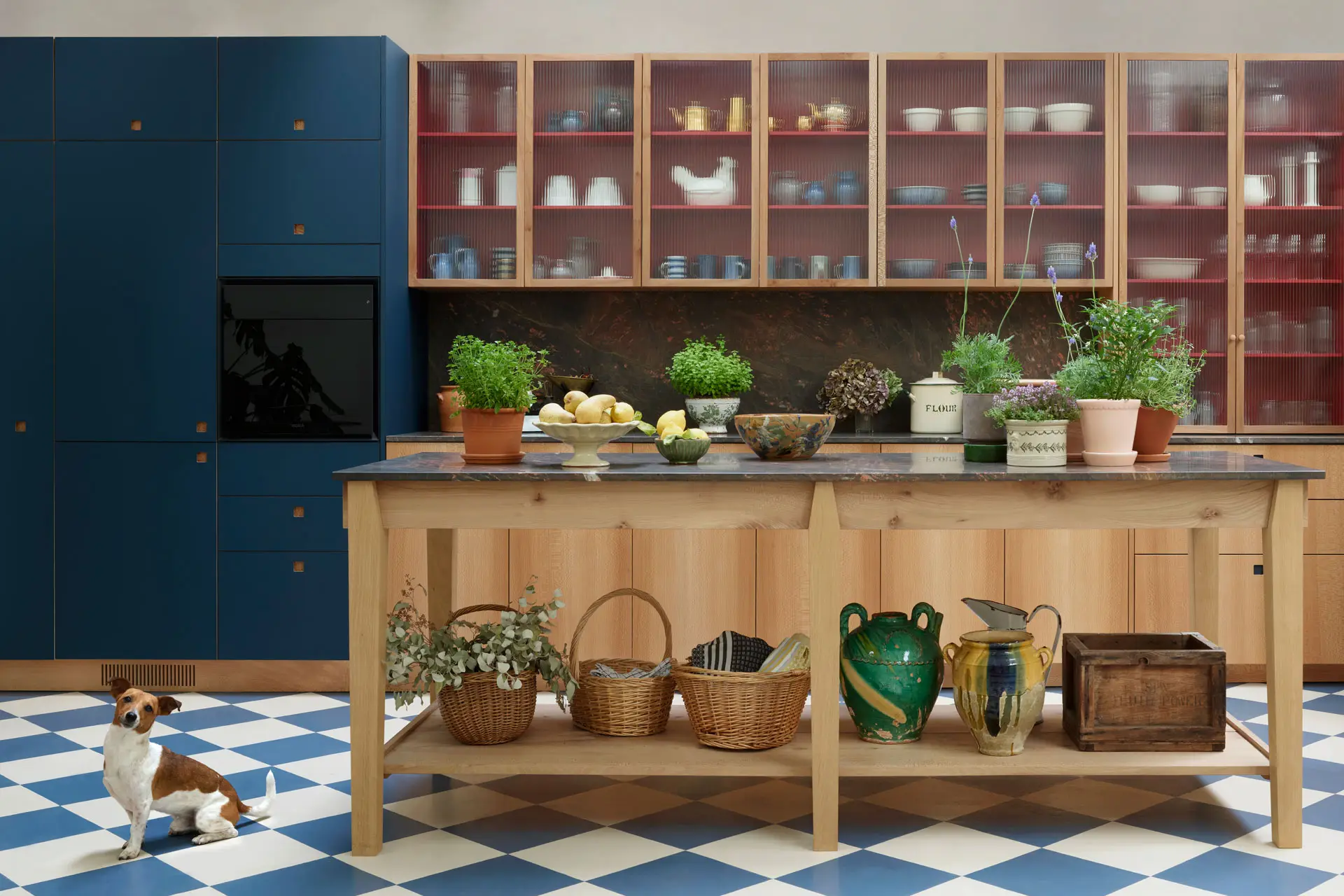
Along with the permanent exhibition, there is an adjacent gallery which never fails to delight with its curious and creative shows. This summer you are transported to Benton End, the radical art school founded by artist and plantsman Cederic Morris and his lifelong partner, artist and accomplished domestic chef Arthur Lett-Haines…and as a dedicated kitchen aficionado, I was intrigued and thrilled to discover a recreation of their kitchen. That it was worthy of being replicated here is evidence of the importance of this room in telling the story of this influential couple and community.

…says the plaque ‘most visitors remembered the sink in the kitchen at Benton End, decorated with blue and white tiles brought back by Morris from Portugal, often stacked with dishes from the numerous visitors and students. Everyone came through the kitchen either to go into the garden or the dining room. It was Lett’s domain but sometimes, requiring privacy, Lett had a little cubby-hole built, a room outside the kitchen where he could be on his own (and possibly have a drink).’ We haven’t (yet) been asked to design a private Pluck cubby-hole, but am sure we could create something fabulous!
Elsewhere in this cleverly curated exhibition, there are dedications to women pioneers, horticulturalist Beth Chatto and cookery writer Elizabeth David, who were part of the regular set at Benton End. There is art by Lucian Freud and Francis Bacon who attended the art school…for a fairly diminutive footprint there is a lot packed in. The exhibition is on until the 20th September and I highly recommend it along with lunch or dinner at the exceptional Garden Café – booking a must.
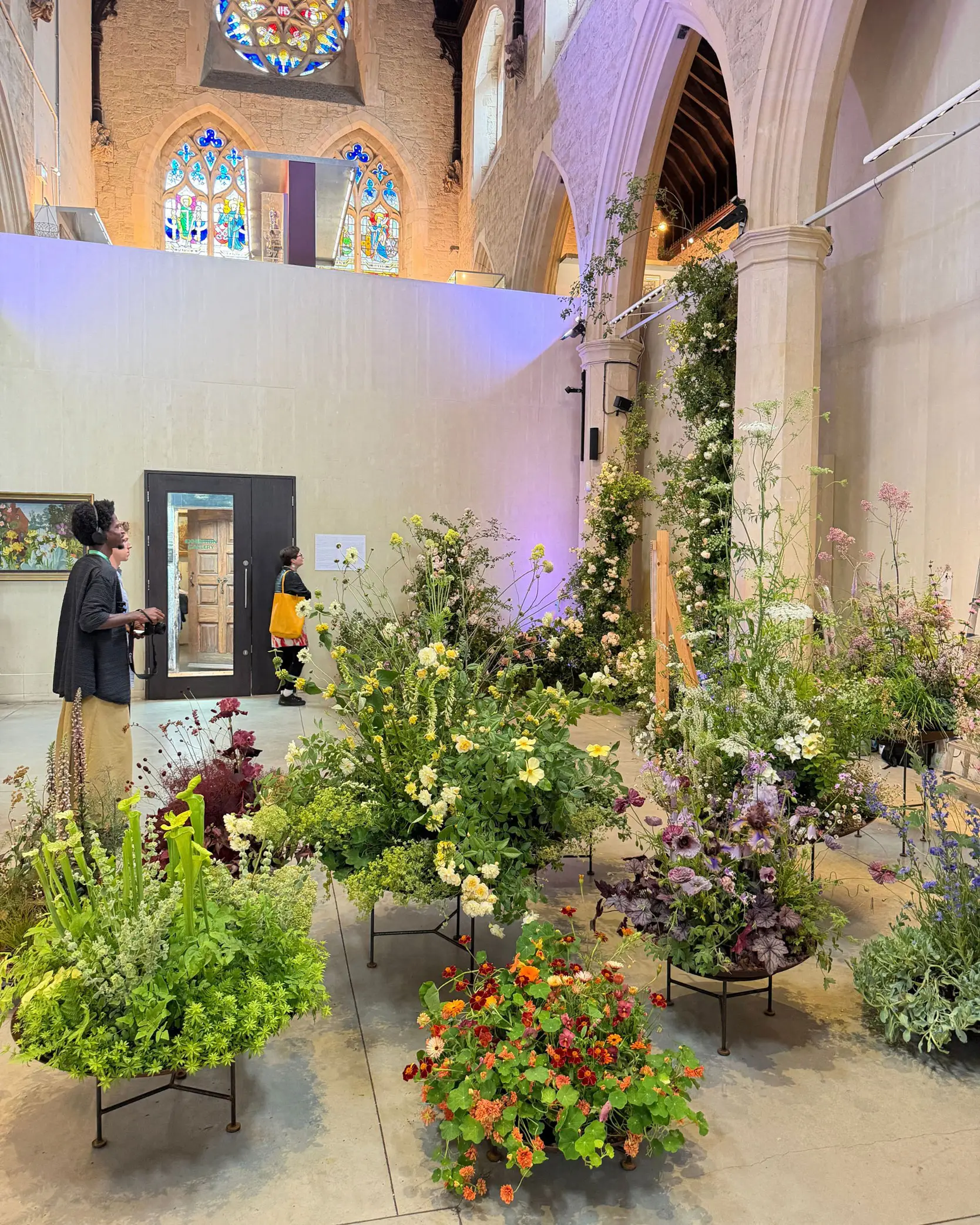
My visit coincided with British Flowers Week 2026 and though you can’t see these breathtaking installations now, they are too pretty not to share and are more evidence of why The Garden Museum deserves a place in everyone’s little black book of London’s Best Museums.

PALA by Vervain Flowers and A Midsummer’s Night Dream by Nate Moss, Goldwell Flowers
Cedric Morris, Benton Blue Tit, 1965
I think The Garden Museum is possibly as divisive as Marmite – you either get the genius of a museum dedicated to horticulture, set in a converted church on the banks of the River Thames; or you find it rather baffling and quite possibly random that this is the spot for ‘Britain’s only museum of the art, history and design of gardens’…cannot embrace the juxtaposition of a celebrating growth, plants and the history of landscaping, in the gloomy arches of a church interior.
I fall very much in the former category and have a huge soft spot for this charming, characterful museum. The quiet sanctity of former church St Mary-at-Lambeth, with its 14th century tower and beautiful stained glass windows, is home to an eclectic collection of paintings, memorabilia and other gardening-related curiosities. I find that this former place of worship imbues all that is exhibited here with a certain mystical aura – even a plastic elephant watering can…
Elephant watering can, 2004, Golden trimmed silk panel depicting Adam and Eve in the Garden of Eden and a sketch by John Nash
Along with the permanent exhibition, there is an adjacent gallery which never fails to delight with its curious and creative shows. This summer you are transported to Benton End, the radical art school founded by artist and plantsman Cederic Morris and his lifelong partner, artist and accomplished domestic chef Arthur Lett-Haines…and as a dedicated kitchen aficionado, I was intrigued and thrilled to discover a recreation of their kitchen. That it was worthy of being replicated here is evidence of the importance of this room in telling the story of this influential couple and community.
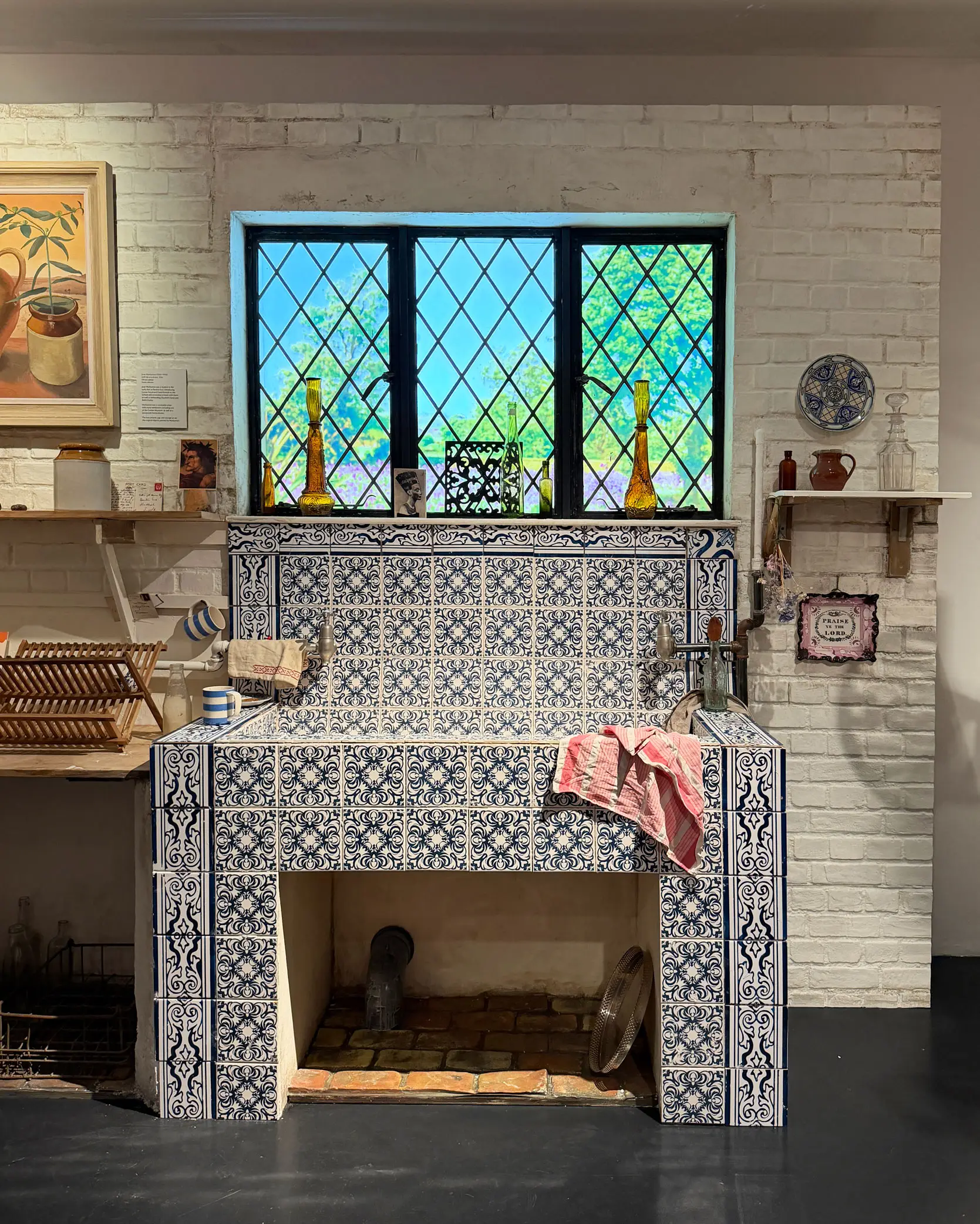
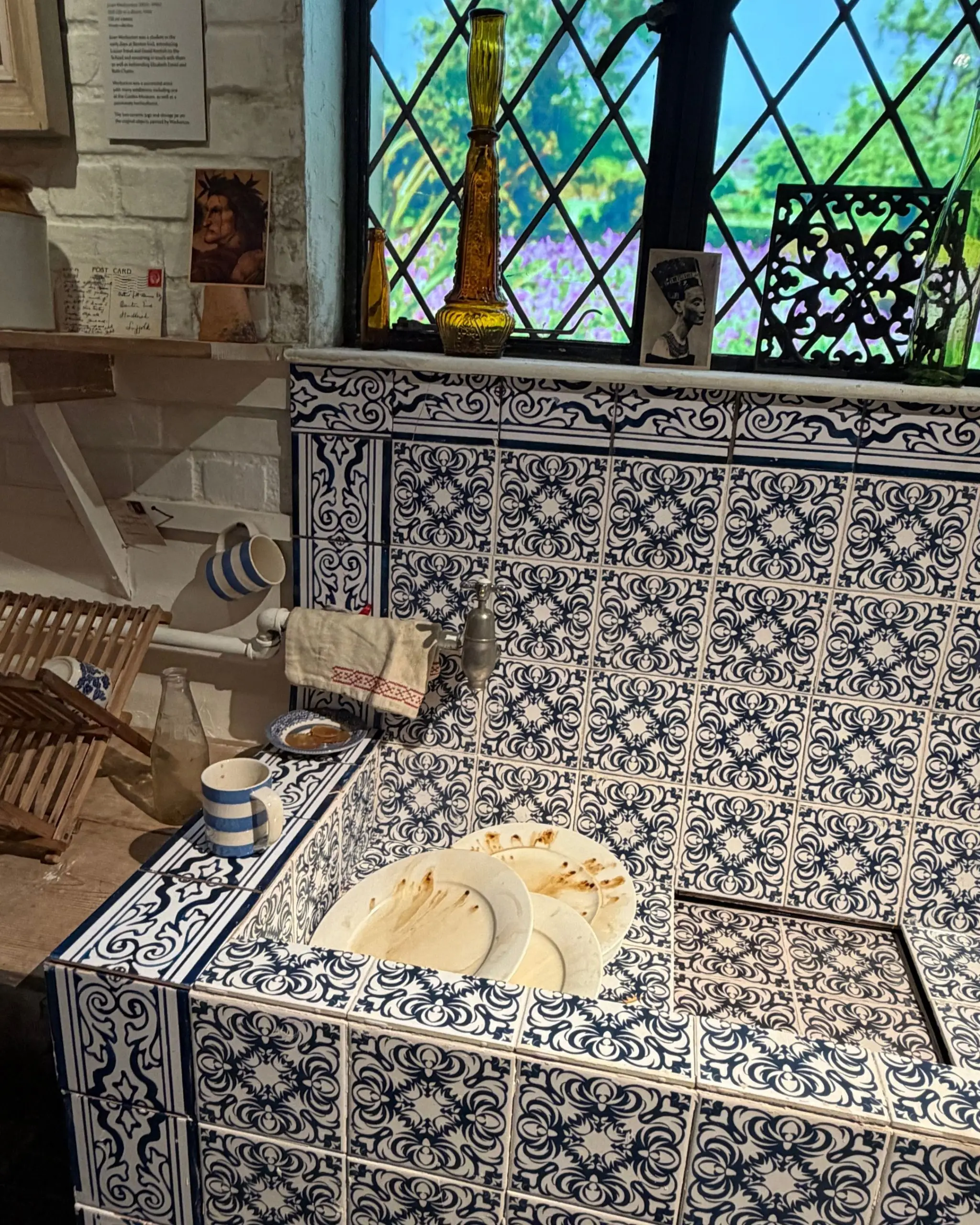
…says the plaque ‘most visitors remembered the sink in the kitchen at Benton End, decorated with blue and white tiles brought back by Morris from Portugal, often stacked with dishes from the numerous visitors and students. Everyone came through the kitchen either to go into the garden or the dining room. It was Lett’s domain but sometimes, requiring privacy, Lett had a little cubby-hole built, a room outside the kitchen where he could be on his own (and possibly have a drink).’ We haven’t (yet) been asked to design a private Pluck cubby-hole, but am sure we could create something fabulous!
Elsewhere in this cleverly curated exhibition, there are dedications to women pioneers, horticulturalist Beth Chatto and cookery writer Elizabeth David, who were part of the regular set at Benton End. There is art by Lucian Freud and Francis Bacon who attended the art school…for a fairly diminutive footprint there is a lot packed in. The exhibition is on until the 20th September and I highly recommend it along with lunch or dinner at the exceptional Garden Café – booking a must.
My visit coincided with British Flowers Week 2026 and though you can’t see these breathtaking installations now, they are too pretty not to share and are more evidence of why The Garden Museum deserves a place in everyone’s little black book of London’s Best Museums.

Pluck-Journal-Garden-Museum-07
A Midsummer's Night Dream by Nate Moss, Goldwell Flowers
Pluck-Journal-Garden-Museum-08
PALA by Vervain Flowers